
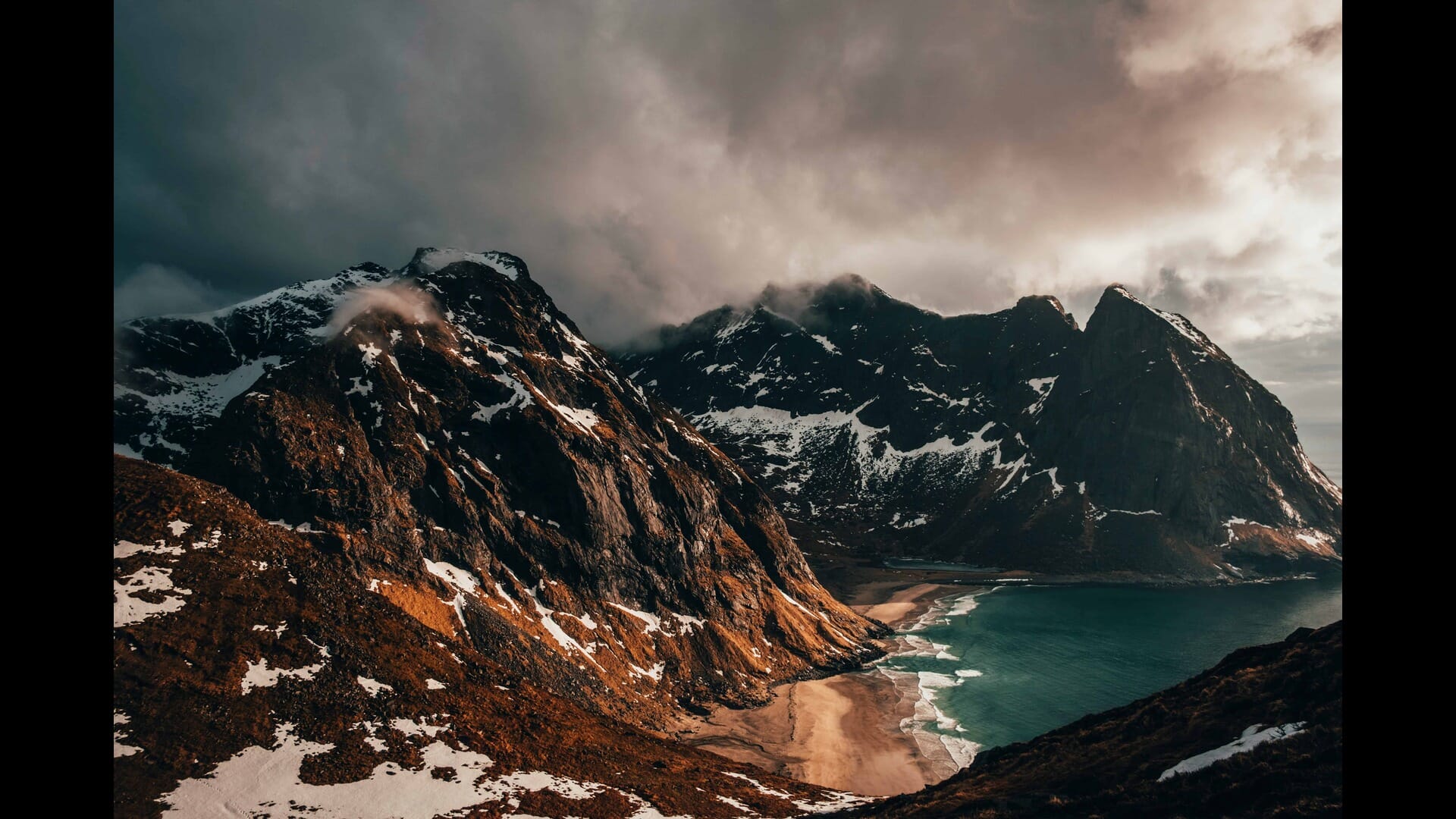
Chasing the Northern Lights: A Guide to Norway’s Best Viewing Spots
Chasing the Northern Lights: A Guide to Norway’s Best Viewing Spots
The Northern Lights, or Aurora Borealis, is one of nature's most breathtaking phenomena. For many, witnessing this celestial ballet of colors dancing across the night sky is a bucket-list experience. Norway, with its stunning landscapes and ideal geographical location, is one of the best places in the world to chase the Northern Lights.
In this comprehensive guide, we will explore the best viewing spots, tips for capturing the perfect photograph, and everything you need to know to make your Northern Lights adventure unforgettable.
Understanding the Northern Lights: What Causes This Spectacular Display?
Before we dive into the best viewing spots in Norway, it’s essential to understand what causes the Northern Lights. The Aurora Borealis occurs when charged particles from the sun collide with gases in the Earth’s atmosphere. This interaction creates stunning displays of light, often seen in shades of green, pink, purple, and blue. The best time to see the Northern Lights is during the winter months when the nights are longest and the skies are darkest.
Best Time to See the Northern Lights in Norway
When planning your trip to see the Northern Lights in Norway, timing is crucial. The Northern Lights are most visible from late September to early April, with the peak season typically occurring between December and March. During these months, the nights are longer, and the weather is colder, which means clearer skies and better visibility.
Factors Affecting Northern Lights Visibility
Several factors can influence your chances of seeing the Northern Lights:
- Solar Activity: The intensity of the Northern Lights is directly related to solar activity. Higher solar activity results in more vibrant displays.
- Weather Conditions: Clear skies are essential for visibility. Cloud cover can obscure the lights, so checking the weather forecast is crucial.
- Location: Being away from city lights increases your chances of seeing the Northern Lights. Remote areas with minimal light pollution are ideal.
Top 10 Best Places to See the Northern Lights in Norway
Now that you understand the basics of the Northern Lights, let’s explore the best places in Norway to witness this magical phenomenon.
1. Tromsø: The Gateway to the Arctic
Tromsø, often referred to as the “Gateway to the Arctic,” is one of the most popular destinations for Northern Lights enthusiasts. Located above the Arctic Circle, Tromsø offers a unique blend of urban amenities and access to stunning natural landscapes.
Why Tromsø?
- Accessibility: Tromsø is easily accessible by air, with regular flights from Oslo and other major cities.
- Aurora Tours: Numerous tour operators offer guided Northern Lights excursions, increasing your chances of witnessing the phenomenon.
- Cultural Experiences: Tromsø is rich in culture, with museums, restaurants, and local events to enhance your stay.
Best Viewing Spots in Tromsø
- Fjellheisen Cable Car: Take the cable car to the top of Mount Storsteinen for panoramic views of the city and surrounding fjords.
- Tromsø Island: Head to the outskirts of the city for darker skies and less light pollution.
2. Lofoten Islands: A Photographer’s Paradise
The Lofoten Islands are renowned for their dramatic landscapes, making them a perfect backdrop for capturing the Northern Lights. With towering mountains, deep fjords, and quaint fishing villages, Lofoten offers a unique experience for both adventurers and photographers.
Why Lofoten Islands?
- Stunning Scenery: The combination of rugged mountains and coastal beauty provides a picturesque setting for the Northern Lights.
- Outdoor Activities: During the day, enjoy hiking, kayaking, or exploring the charming villages.
Best Viewing Spots in Lofoten
- Reine: This picturesque fishing village is known for its stunning views and minimal light pollution.
- Hamnøy: A small village that offers breathtaking views of the mountains and the sea, perfect for photography.
3. Alta: The City of Northern Lights
Alta is often referred to as the “City of Northern Lights” and is home to the world’s first Northern Lights observatory. This charming town in Finnmark is an excellent base for exploring the surrounding wilderness.
Why Alta?
- Northern Lights Cathedral: Visit this architectural marvel dedicated to the Northern Lights.
- Historical Significance: Alta has a rich history of Northern Lights research, making it a fascinating destination.
Best Viewing Spots in Alta
- Alta Museum: Learn about the history of the Northern Lights and enjoy the surrounding natural beauty.
- Sorrisniva Igloo Hotel: Experience a unique stay in an ice hotel while enjoying the Northern Lights.
4. Svalbard: The Arctic Wilderness
For the adventurous traveler, Svalbard offers a remote and rugged experience. Located halfway between Norway and the North Pole, Svalbard is a unique destination for witnessing the Northern Lights.
Why Svalbard?
- Isolation: The remote location means minimal light pollution, providing excellent visibility for the Northern Lights.
- Wildlife: Experience the Arctic wildlife, including polar bears, reindeer, and seals.
Best Viewing Spots in Svalbard
- Longyearbyen: The largest settlement in Svalbard, offering various accommodations and tours.
- Barentsburg: A Russian settlement that provides a unique cultural experience while chasing the Northern Lights.
5. Kirkenes: The Gateway to Russia
Kirkenes, located in the far northeastern part of Norway, is a hidden gem for Northern Lights seekers. Its proximity to the Russian border adds an intriguing element to your adventure.
Why Kirkenes?
- Unique Experiences: Participate in activities like snowmobiling, dog sledding, and visiting the Snowhotel.
- Cultural Blend: Experience the unique blend of Norwegian and Russian cultures in this border town.
Best Viewing Spots in Kirkenes
- Snowhotel: Stay in a hotel made entirely of snow and ice while enjoying the Northern Lights.
- Pasvikelva River: A quiet spot away from city lights, perfect for viewing the Aurora.
6. Nordkapp: The Northernmost Point of Europe
Nordkapp, or North Cape, is known as the northernmost point of mainland Europe. This dramatic cliff offers stunning views of the Arctic Ocean and is an exceptional spot for viewing the Northern Lights.
Why Nordkapp?
- Breathtaking Views: The cliffs provide a panoramic view of the surrounding landscape and the ocean.
- Cultural Significance: Learn about the history and culture of the indigenous Sámi people.
Best Viewing Spots in Nordkapp
- Nordkapp Hall: Visit the visitor center for information and exhibits about the area.
- The Cliff Edge: Find a quiet spot along the cliff edge for unobstructed views of the night sky.
7. Senja: Norway’s Second-Largest Island
Senja is often overlooked by travelers, but this island is a hidden treasure for Northern Lights viewing. With its dramatic landscapes and fewer tourists, Senja offers a more intimate experience.
Why Senja?
- Natural Beauty: The island is home to stunning fjords, mountains, and beaches, providing a beautiful backdrop for the Northern Lights.
- Less Touristy: Enjoy a more peaceful experience away from the crowds.
Best Viewing Spots in Senja
- Bergsbotn Viewpoint: A stunning viewpoint that offers breathtaking views of the surrounding landscape.
- Tungeneset: A picturesque spot with views of the ocean and mountains, perfect for photography.
8. Bodø: The Gateway to the Lofoten Islands
Bodø is often the starting point for travelers heading to the Lofoten Islands, but it also offers excellent opportunities for viewing the Northern Lights.
Why Bodø?
- Accessibility: Easily accessible by air and ferry, making it a convenient base for your Northern Lights adventure.
- Cultural Attractions: Explore the local culture, museums, and restaurants in Bodø.
Best Viewing Spots in Bodø
- Keiservarden: A popular hiking spot that offers panoramic views of the city and surrounding areas.
- Mørkvedlia: A quiet area away from city lights, perfect for Northern Lights viewing.
9. Geirangerfjord: A UNESCO World Heritage Site
Geirangerfjord is known for its stunning natural beauty and is a UNESCO World Heritage Site. While it’s more famous for its fjords, it also offers excellent opportunities for viewing the Northern Lights.
Why Geirangerfjord?
- Stunning Landscapes: The dramatic fjords and waterfalls provide a breathtaking backdrop for the Aurora.
- Outdoor Activities: Enjoy hiking, kayaking, and exploring the natural beauty of the area.
Best Viewing Spots in Geirangerfjord
- Dalsnibba Viewpoint: A high viewpoint that offers stunning views of the fjord and surrounding mountains.
- Geiranger Village: A quiet spot away from city lights, perfect for viewing the Northern Lights.
10. Oslo: The Capital City Experience
While Oslo may not be the first place that comes to mind for Northern Lights viewing, it can still be a viable option, especially if you’re visiting during the winter months.
Why Oslo?
- Urban Amenities: Enjoy the cultural attractions, restaurants, and nightlife of Norway’s capital city.
- Day Trips: Consider taking a day trip to nearby areas with less light pollution for better viewing opportunities.
Best Viewing Spots in Oslo
- Ekebergparken: A beautiful park that offers panoramic views of the city and surrounding areas.
- Holmenkollen: A popular ski jump area that provides stunning views of Oslo and the surrounding fjords.
Tips for Photographing the Northern Lights
Capturing the Northern Lights on camera can be challenging but incredibly rewarding. Here are some tips to help you take stunning photographs of this natural phenomenon:
1. Use a Tripod
A sturdy tripod is essential for long-exposure photography. It will help keep your camera steady and prevent blurry images.
2. Use Manual Settings
Switch your camera to manual mode to control the exposure, aperture, and ISO settings. A good starting point is an exposure of 10-20 seconds, an aperture of f/2.8, and an ISO of 800-1600.
3. Focus Manually
Autofocus may struggle in low light, so switch to manual focus and set your lens to infinity.
4. Experiment with Composition
Include interesting foreground elements, such as trees, mountains, or buildings, to create a more dynamic composition.
5. Be Patient
The Northern Lights can be unpredictable, so be prepared to wait. Bring warm clothing, snacks, and a thermos of hot drinks to keep you comfortable during your photography session.
Local Insights: Engaging with the Sámi Culture
When chasing the Northern Lights in Norway, consider engaging with the local Sámi culture. The Sámi people are the indigenous people of the Arctic region, and their rich traditions and history offer a unique perspective on the Northern Lights.
Sámi Experiences
- Reindeer Sledding: Experience traditional Sámi culture by going on a reindeer sledding tour.
- Cultural Workshops: Participate in workshops to learn about Sámi crafts, music, and storytelling.
Conclusion: Your Northern Lights Adventure Awaits
Chasing the Northern Lights in Norway is an adventure of a lifetime. With its stunning landscapes, rich culture, and numerous viewing spots, Norway offers everything you need for an unforgettable experience. Whether you choose to explore the vibrant city of Tromsø, the remote beauty of Svalbard, or the picturesque Lofoten Islands, the Northern Lights are waiting for you. So pack your bags, grab your camera, and get ready to witness one of nature’s most spectacular displays.
As you embark on your journey, remember to embrace the experience fully. The Northern Lights are not just a visual spectacle; they are a reminder of the beauty and wonder of our planet. Happy chasing!