
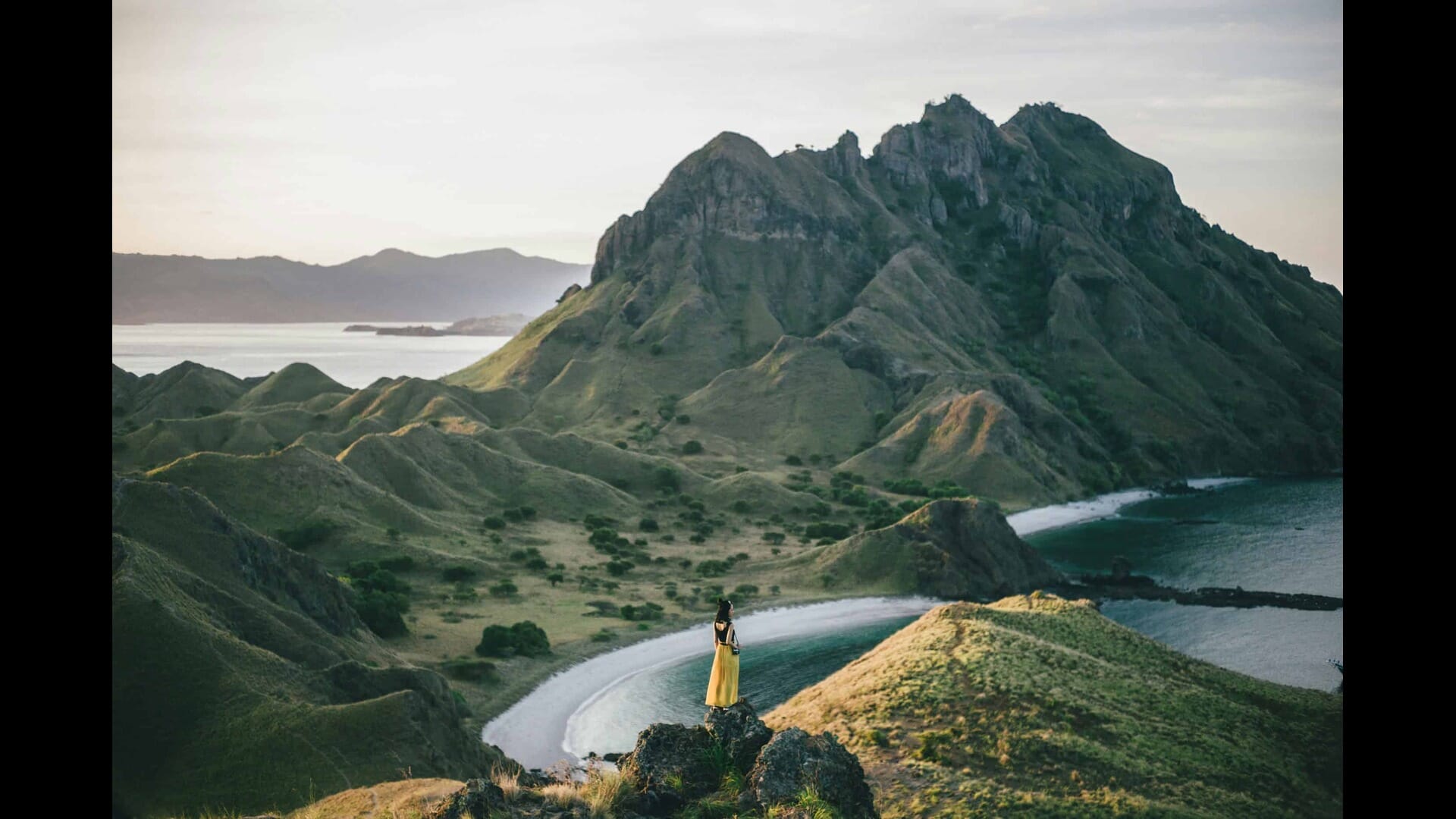
The Most Captivating Views of Mount Rinjani: Trekking Adventures
The Most Captivating Views of Mount Rinjani: Trekking Adventures
Mount Rinjani, the second-highest volcano in Indonesia, is a majestic giant that dominates the landscape of Lombok. Towering at 3,726 meters (12,224 feet), it is not just a mountain; it is a sanctuary of natural beauty, cultural significance, and thrilling adventure.
For trekkers and nature enthusiasts, the views from its peaks and surrounding areas are nothing short of captivating. This article will take you on a journey through the most breathtaking vistas of Mount Rinjani, providing insights into trekking routes, tips for adventurers, and the best times to visit.
1. Understanding Mount Rinjani: A Natural Wonder
Mount Rinjani is part of the Rinjani National Park, which covers an area of approximately 41,000 hectares. The park is home to diverse flora and fauna, stunning waterfalls, and the mesmerizing Segara Anak Lake, which sits in the caldera of the volcano. The mountain is not only a geological marvel but also a spiritual site for the local Sasak people, who believe it to be the abode of their gods.
The allure of Mount Rinjani lies in its dramatic landscapes, which change with every step of the trek. From lush green forests to rocky terrains and volcanic landscapes, each view offers a unique perspective of this natural wonder.
2. Planning Your Trekking Adventure to Mount Rinjani
Before embarking on your journey, proper planning is essential. Here are some key considerations:
2.1 Choosing the Right Trekking Route
Mount Rinjani offers several trekking routes, each with its own unique views and challenges. The most popular routes include:
- Sembalun Route: This route is known for its gradual ascent and offers stunning views of the surrounding valleys and the summit. It is ideal for those looking for a less strenuous trek.
- Senaru Route: This route is steeper and more challenging, but it rewards trekkers with breathtaking views of the Segara Anak Lake and the summit.
- Bau Nyale Route: A lesser-known route that offers a more secluded experience, perfect for those seeking tranquility amidst nature.
2.2 Best Time to Visit Mount Rinjani
The ideal time to trek Mount Rinjani is during the dry season, which runs from April to December. During these months, the weather is more stable, and the views are clearer, allowing trekkers to fully appreciate the stunning landscapes.
2.3 Essential Gear and Supplies
Packing the right gear is crucial for a successful trek. Essential items include:
- Sturdy hiking boots
- Warm clothing (temperatures can drop significantly at night)
- A reliable backpack
- Water purification tablets
- Snacks and energy bars
- A first-aid kit
- A camera to capture the breathtaking views
3. The Trekking Experience: What to Expect
Trekking Mount Rinjani is not just about reaching the summit; it’s about the journey and the experiences along the way. Here’s what you can expect:
3.1 Day 1: Sembalun to Plawangan Sembalun
The trek begins in the village of Sembalun, where you will meet your guide and porters. The first day involves a steady ascent through lush grasslands and beautiful views of the surrounding hills. As you climb higher, the panoramic views of the Sembalun Valley unfold, offering a glimpse of the captivating landscapes that await you.
3.2 Day 2: Plawangan Sembalun to Summit and Segara Anak Lake
This is the most challenging day of the trek. You will wake up early to begin your ascent to the summit. The climb is steep, but the reward is worth every effort. As you reach the summit, the sunrise casts a golden hue over the landscape, illuminating the breathtaking views of the crater lake and the surrounding islands. The sight of the sun rising over the horizon is a moment you will cherish forever.
After descending from the summit, you will head towards Segara Anak Lake, where you can relax and take in the stunning views of the turquoise waters surrounded by towering cliffs.
3.3 Day 3: Segara Anak Lake to Senaru
The final day of the trek takes you from Segara Anak Lake to Senaru. This route is filled with diverse landscapes, including lush forests and waterfalls. The views of the lake and the surrounding mountains are captivating, providing ample opportunities for photography and reflection.
4. Captivating Views from the Summit of Mount Rinjani
Reaching the summit of Mount Rinjani is a rite of passage for many trekkers. The views from the top are nothing short of spectacular. You can see the entire island of Lombok, the neighboring Gili Islands, and even the distant Bali on a clear day. The sight of the crater lake below, with its shimmering blue waters, is a breathtaking reminder of the volcanic activity that shaped this landscape.
4.1 Sunrise at the Summit
One of the most magical moments during the trek is witnessing the sunrise from the summit. As the sun rises, it paints the sky in hues of orange, pink, and purple, casting a warm glow over the rugged terrain. The experience is surreal and often described as life-changing by those who have witnessed it.
4.2 The Crater Lake: Segara Anak
Segara Anak Lake, located within the caldera of Mount Rinjani, is a stunning sight. The lake is approximately 2,000 meters above sea level and is surrounded by steep cliffs. The blue waters of the lake are believed to have healing properties, and many trekkers take the opportunity to relax and rejuvenate by its shores.
5. The Flora and Fauna of Mount Rinjani
Mount Rinjani is not only known for its captivating views but also for its rich biodiversity. The national park is home to various species of plants and animals, many of which are endemic to the region.
5.1 Unique Plant Life
The lower slopes of Mount Rinjani are covered in lush tropical forests, while higher altitudes feature alpine vegetation. You can find unique species such as the Rinjani Edelweiss, which blooms in the cooler months, adding a touch of beauty to the rugged landscape.
5.2 Wildlife Encounters
While trekking, you may encounter various wildlife, including monkeys, deer, and numerous bird species. The sounds of nature accompany you on your journey, enhancing the overall experience of trekking through this pristine environment.
6. Cultural Significance of Mount Rinjani
Mount Rinjani holds great cultural significance for the local Sasak people. The mountain is considered sacred, and many rituals and ceremonies are held in its honor. Understanding the cultural context of the mountain adds depth to your trekking experience.
6.1 Traditional Beliefs and Practices
The Sasak people believe that the mountain is the dwelling place of their gods. They perform rituals to seek blessings and protection from the spirits of the mountain. Engaging with the local culture can enrich your journey and provide a deeper appreciation for the land you are traversing.
6.2 Local Communities and Their Role in Trekking
Local communities play a vital role in the trekking experience. Many guides and porters are from the surrounding villages, and their knowledge of the terrain and culture enhances the adventure. Supporting local communities through responsible tourism is essential for preserving the natural and cultural heritage of Mount Rinjani.
7. Tips for a Successful Trekking Experience
To ensure a successful and enjoyable trekking experience, consider the following tips:
7.1 Stay Hydrated
Hydration is crucial during your trek. Carry enough water and consider using purification tablets to ensure you have access to clean drinking water.
7.2 Listen to Your Body
Trekking can be physically demanding. Pay attention to your body and take breaks when needed. It’s essential to pace yourself, especially during steep ascents.
7.3 Respect the Environment
Practice Leave No Trace principles to minimize your impact on the environment. Carry out all your trash and avoid disturbing wildlife.
7.4 Hire a Local Guide
Hiring a local guide not only enhances your experience but also supports the local economy. Guides can provide valuable insights into the flora, fauna, and cultural significance of the area.
8. Capturing the Beauty: Photography Tips for Mount Rinjani
The stunning landscapes of Mount Rinjani provide endless opportunities for photography. Here are some tips to capture the beauty of your adventure:
8.1 Golden Hour Photography
The best time for photography is during the golden hour, shortly after sunrise and before sunset. The soft light enhances the colors of the landscape, creating stunning images.
8.2 Use a Tripod
A tripod is essential for capturing long-exposure shots, especially when photographing waterfalls or the night sky.
8.3 Capture the Local Culture
Don’t forget to photograph the local communities and their traditions. Engaging with the locals and capturing their way of life adds depth to your travel photography.
9. Post-Trek Relaxation: Exploring Lombok
After completing your trek, take some time to explore the beautiful island of Lombok. Here are some must-visit places:
9.1 Gili Islands
The Gili Islands, located just off the coast of Lombok, are famous for their stunning beaches and vibrant marine life. Spend a few days relaxing on the beach, snorkeling, or diving.
9.2 Kuta Lombok
Kuta Lombok offers beautiful beaches and a laid-back atmosphere. It’s the perfect place to unwind after your trekking adventure.
9.3 Traditional Sasak Villages
Visit traditional Sasak villages to learn more about the local culture and way of life. Engage with the community and experience their hospitality firsthand.
10. Conclusion: The Unforgettable Journey of Mount Rinjani
Trekking Mount Rinjani is an adventure that leaves a lasting impression. The captivating views, diverse landscapes, and rich cultural experiences make it a must-visit destination for any nature lover or adventure seeker. Whether you are standing at the summit, gazing at the crater lake, or exploring the lush forests, the beauty of Mount Rinjani will stay with you long after your journey ends. So pack your bags, lace up your hiking boots, and prepare for an unforgettable adventure in one of Indonesia’s most stunning natural wonders.