
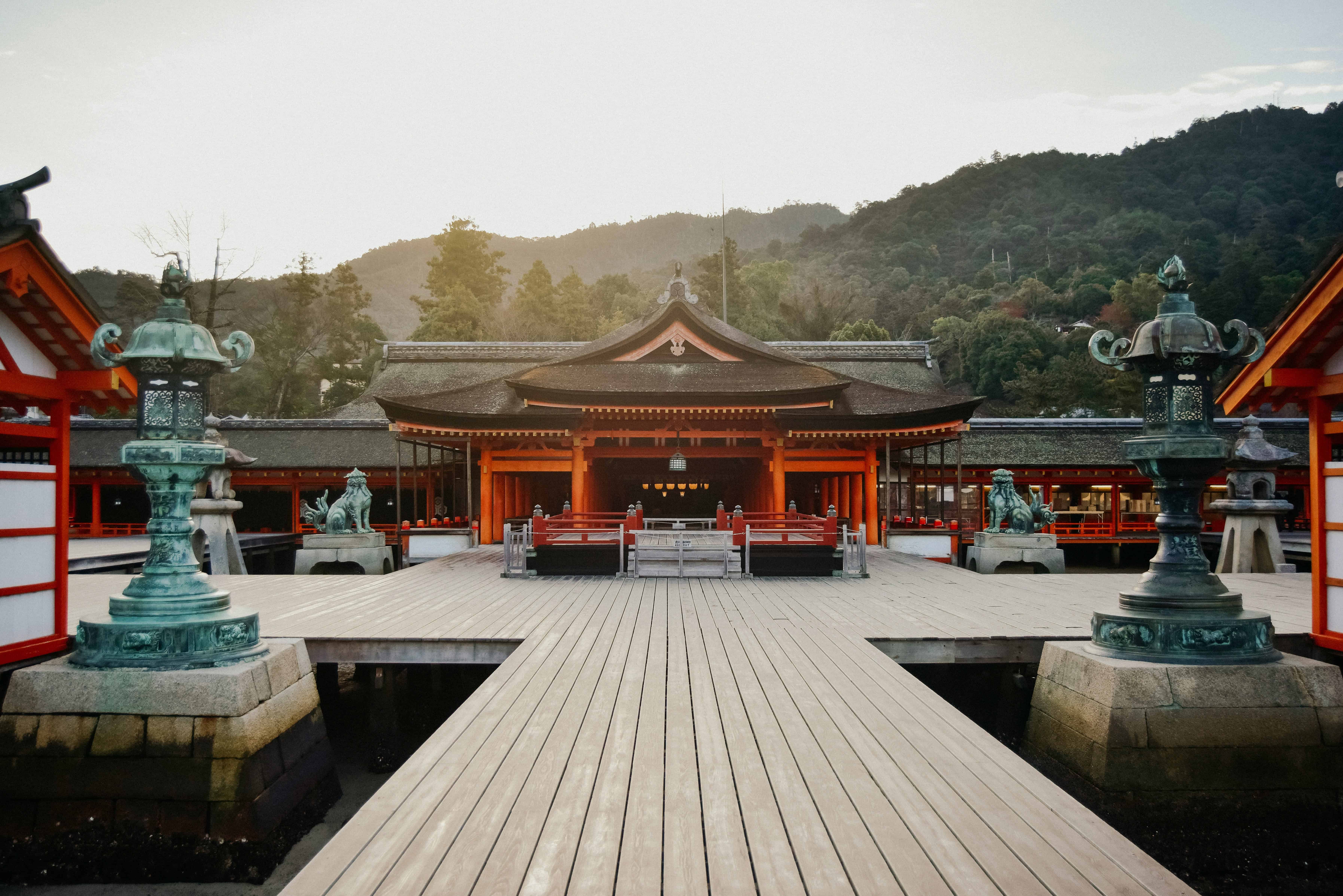
The Best Temples to Visit in Vietnam: A Journey Through Spiritual Heritage
The Best Temples to Visit in Vietnam: A Journey Through Spiritual Heritage
Vietnam is a land of breathtaking landscapes, rich history, and vibrant culture. Among its many treasures, the temples stand out as remarkable testaments to the country’s spiritual heritage and architectural prowess. From ancient structures adorned with intricate carvings to serene pagodas nestled in lush greenery, Vietnam's temples offer an unparalleled glimpse into the nation's soul.
This article will guide you through some of the best temples to visit in Vietnam, highlighting their historical significance, architectural beauty, and spiritual ambiance.
1. The Majestic One Pillar Pagoda: A Symbol of Hanoi
The One Pillar Pagoda, or Chùa Một Cột, is one of the most iconic temples in Vietnam, located in the heart of Hanoi. Built in 1049 during the reign of Emperor Ly Thai Tong, this unique structure is designed to resemble a lotus blossom, symbolizing purity and enlightenment. The pagoda is perched on a single stone pillar, surrounded by a serene lotus pond, creating a peaceful oasis amidst the bustling city.
Visitors can explore the pagoda's intricate architecture, which features a wooden structure supported by a single pillar rising from the water. Inside, the temple houses a statue of the Goddess of Mercy, Avalokiteshvara, who is revered by many Vietnamese Buddhists. The One Pillar Pagoda is not just a place of worship; it is a cultural symbol of Vietnam, representing the resilience and creativity of its people.
2. The Tranquil Thien Mu Pagoda: A Spiritual Haven in Hue
Thien Mu Pagoda, or Linh Mu Pagoda, is a historic temple located on the banks of the Perfume River in Hue. This seven-story pagoda is one of the oldest and most revered religious sites in Vietnam, dating back to 1601. The temple is dedicated to the Bodhisattva of Mercy, and its tranquil surroundings make it a perfect spot for reflection and meditation.
The pagoda’s striking architecture features intricate carvings and vibrant colors, with each level adorned with beautiful statues and artwork. Visitors can climb to the top of the pagoda for a panoramic view of the river and the surrounding landscape. Thien Mu Pagoda is also home to the famous Austin car, which was used by Thich Quang Duc during his self-immolation protest in 1963, making it a site of historical significance as well.
3. The Ancient My Son Sanctuary: A Glimpse into Cham Culture
Nestled in a lush valley, the My Son Sanctuary is a UNESCO World Heritage site that showcases the remnants of the ancient Cham civilization. Located near Hoi An, this complex of Hindu temples dates back to the 4th century and was dedicated to the worship of the god Shiva. The intricate sandstone carvings and unique architectural style of the temples reflect the cultural and religious influences of the Cham people.
Visitors can wander through the ruins, marveling at the detailed sculptures and the impressive brick structures that have withstood the test of time. The My Son Sanctuary is not only a testament to the artistic achievements of the Cham civilization but also a peaceful retreat for those seeking to connect with Vietnam's ancient history.
4. The Serene Bai Dinh Pagoda: A Modern Marvel
Bai Dinh Pagoda, located in Ninh Binh province, is one of the largest and most impressive temple complexes in Vietnam. The site is renowned for its stunning architecture and vast scale, featuring numerous halls, statues, and a massive bell tower. The pagoda is dedicated to the Buddha and is a popular pilgrimage site for Buddhists from across the country.
The complex is divided into two main areas: the old Bai Dinh Pagoda, which dates back to the 11th century, and the new Bai Dinh Pagoda, which was completed in 2010. Visitors can explore the beautifully landscaped grounds, climb to the top of the pagoda for breathtaking views of the surrounding countryside, and admire the impressive collection of Buddhist statues, including a giant statue of Buddha seated on a lotus.
5. The Historic Ngoc Son Temple: A Jewel on Hoan Kiem Lake
Ngoc Son Temple, or Temple of the Jade Mountain, is a picturesque temple located on an island in Hoan Kiem Lake in Hanoi. The temple is dedicated to the legendary hero Tran Hung Dao and the Confucian scholar Van Xuong. Its stunning red wooden bridge, The Huc Bridge, connects the mainland to the temple, creating a beautiful scene that attracts visitors day and night.
Inside, the temple features intricate carvings and altars adorned with offerings, creating a serene atmosphere for worship and reflection. The surrounding lake adds to the temple's charm, making it a perfect spot for a leisurely stroll or a quiet moment of contemplation. Ngoc Son Temple is not only a spiritual site but also a cultural icon that embodies the essence of Hanoi.
6. The Enigmatic Tran Quoc Pagoda: A Historical Landmark
Tran Quoc Pagoda, located on an island in West Lake, is one of the oldest pagodas in Vietnam, dating back to the 6th century. The pagoda is known for its stunning architecture, featuring a 15-story tower that stands tall against the backdrop of the tranquil lake. The temple is dedicated to the Bodhisattva Avalokiteshvara and is a significant site for Buddhist worship.
Visitors can explore the beautifully landscaped grounds, admire the ancient trees, and take in the breathtaking views of West Lake. The pagoda's serene atmosphere makes it a popular spot for meditation and reflection. Tran Quoc Pagoda is not only a spiritual haven but also a historical landmark that tells the story of Vietnam's rich cultural heritage.
7. The Magnificent Jade Emperor Pagoda: A Cultural Gem in Ho Chi Minh City
The Jade Emperor Pagoda, or Chùa Ngọc Hoàng, is a stunning temple located in Ho Chi Minh City. Built in the early 20th century, this temple is dedicated to the Jade Emperor, the supreme deity in Taoism. The temple's vibrant colors, intricate carvings, and ornate decorations make it a visual feast for visitors.
Inside, the temple is filled with statues of various deities, each representing different aspects of life and spirituality. The atmosphere is lively, with incense wafting through the air and worshippers offering prayers and offerings. The Jade Emperor Pagoda is a cultural gem that showcases the fusion of Taoism, Buddhism, and local beliefs, making it a must-visit for anyone exploring Ho Chi Minh City.
8. The Sacred Thang Long Imperial Citadel: A UNESCO World Heritage Site
The Thang Long Imperial Citadel, located in Hanoi, is a UNESCO World Heritage site that served as the political center of Vietnam for over a thousand years. The citadel is home to several ancient temples and shrines, each with its own unique history and significance. One of the most notable structures within the citadel is the Temple of Literature, dedicated to Confucius and Vietnam's first national university.
Visitors can explore the beautifully landscaped grounds, admire the traditional Vietnamese architecture, and learn about the rich history of the citadel. The Temple of Literature features stunning courtyards, stone steles, and intricate carvings, making it a peaceful retreat for scholars and spiritual seekers alike. The Thang Long Imperial Citadel is a testament to Vietnam's enduring cultural heritage and a must-visit for history enthusiasts.
9. The Beautiful Linh Ung Pagoda: A Coastal Retreat
Linh Ung Pagoda, located in Da Nang, is a stunning coastal temple that offers breathtaking views of the South China Sea. The pagoda is known for its impressive statue of the Lady Buddha, which stands at 67 meters tall, making it the tallest statue of its kind in Vietnam. The temple complex is surrounded by lush gardens and offers a serene atmosphere for meditation and reflection.
Visitors can explore the beautifully designed grounds, take in the panoramic views from the top of the hill, and enjoy the peaceful ambiance of the pagoda. Linh Ung Pagoda is not only a spiritual site but also a popular tourist destination, attracting visitors from around the world who come to admire its beauty and tranquility.
10. The Historic Hoi An Ancient Town: A Blend of Cultures and Temples
Hoi An Ancient Town is a UNESCO World Heritage site known for its well-preserved architecture and rich cultural heritage. Within the town, visitors can find several temples and shrines that reflect the diverse influences of different cultures, including Chinese, Japanese, and Vietnamese. The most notable temple in Hoi An is the Japanese Covered Bridge, which features a small shrine dedicated to the deity of prosperity.
As you wander through the narrow streets of Hoi An, you will encounter various temples, each with its own unique charm and history. The town's vibrant atmosphere, combined with its stunning architecture and cultural significance, makes it a must-visit destination for anyone exploring Vietnam. Hoi An is not just a place to see temples; it is a living museum of Vietnam's rich history and cultural diversity.
Conclusion: Embrace the Spiritual Journey Through Vietnam's Temples
Vietnam's temples are more than just architectural wonders; they are sacred spaces that embody the spiritual essence of the nation. From the tranquil pagodas of Hanoi to the ancient ruins of My Son, each temple tells a story of faith, culture, and history. As you embark on your journey through Vietnam, take the time to explore these remarkable sites, allowing their beauty and serenity to enrich your travel experience.
Whether you are a history enthusiast, a spiritual seeker, or simply a curious traveler, the temples of Vietnam offer something for everyone. Each visit is an opportunity to connect with the past, appreciate the artistry of Vietnamese architecture, and immerse yourself in the vibrant culture of this enchanting country.