
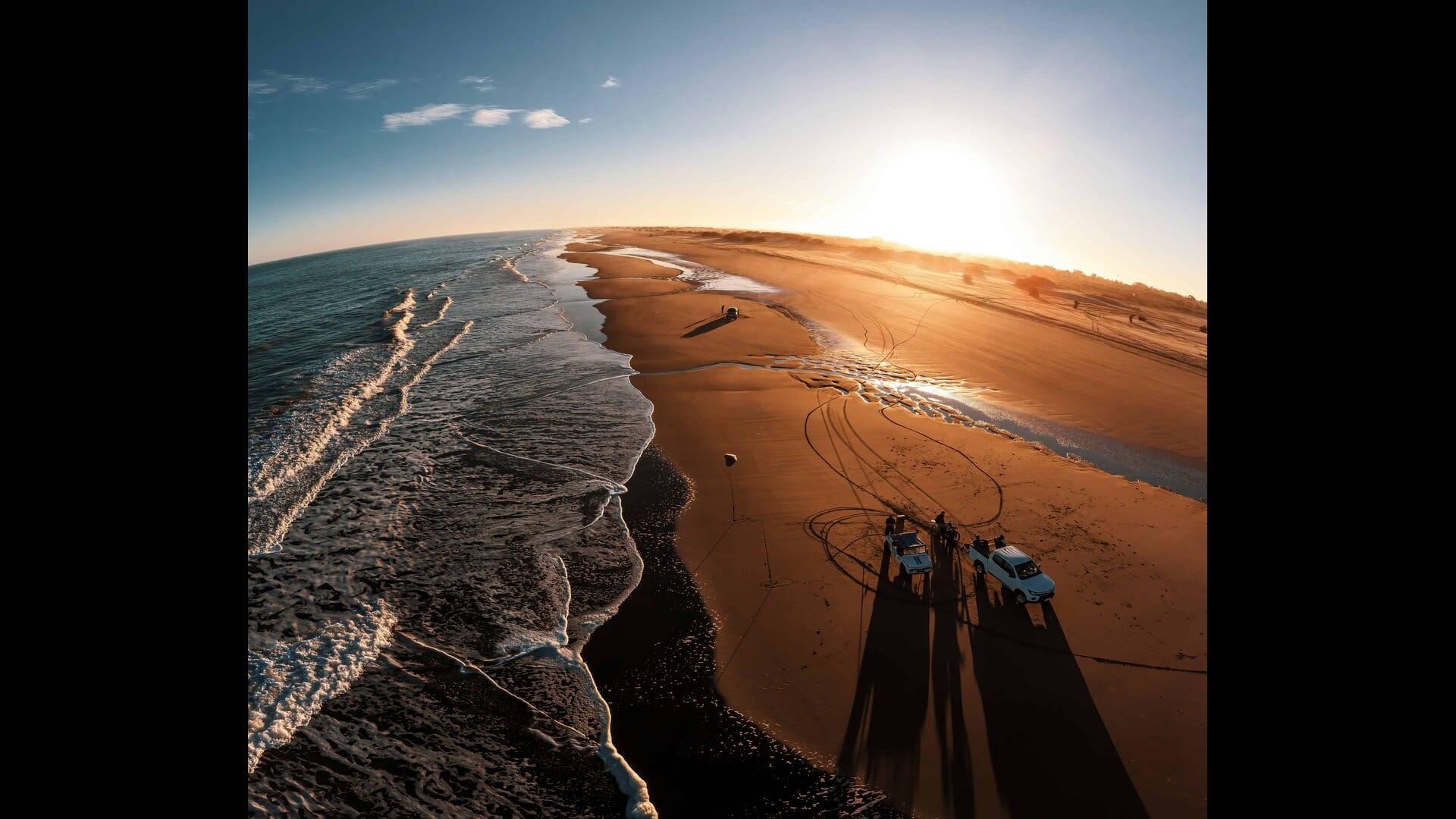
The Best Places for Wildlife Photography in Argentina
The Best Places for Wildlife Photography in Argentina
Argentina, a land of stunning landscapes and diverse ecosystems, is a paradise for wildlife photographers. From the icy glaciers of Patagonia to the lush wetlands of the north, the country offers a myriad of opportunities to capture breathtaking images of its unique fauna.
In this article, we will explore the best places for wildlife photography in Argentina, providing insights into the rich biodiversity, the best times to visit, and tips for capturing the perfect shot.
1. Patagonia: A Wildlife Photographer's Dream
Patagonia, located in the southern part of Argentina, is renowned for its dramatic landscapes and rich wildlife. The region is home to a variety of species, including guanacos, Andean condors, and the elusive puma. The stunning backdrop of mountains, glaciers, and turquoise lakes makes it an ideal location for wildlife photography.
1.1 Torres del Paine National Park
Torres del Paine National Park is one of the most famous wildlife photography destinations in Patagonia. The park's diverse ecosystems range from mountains to grasslands, providing habitats for a variety of species.
Wildlife to Photograph: Look for guanacos grazing on the hillsides, the endangered Andean deer (huemul), and the majestic Andean condor soaring above the peaks. The park is also home to the elusive puma, which can often be spotted in the early morning or late afternoon.
Best Time to Visit: The best time for wildlife photography in Torres del Paine is during the spring (September to November) and fall (March to May) when the weather is mild, and animals are more active.
Photography Tips: Use a telephoto lens to capture distant wildlife without disturbing them. Early morning and late afternoon provide the best lighting conditions for photography.
1.2 Los Glaciares National Park
Another gem in Patagonia, Los Glaciares National Park is famous for its stunning glaciers and unique wildlife. The park is home to a variety of birds and mammals, making it a fantastic location for wildlife photography.
Wildlife to Photograph: Keep an eye out for the Andean flamingo, which can be found in the park's lakes, as well as the South American gray fox and the endangered Andean deer.
Best Time to Visit: Visit during the summer months (December to February) for the best weather and wildlife activity.
Photography Tips: Capture the contrast between the ice and the wildlife by incorporating the glaciers into your shots. Use a polarizing filter to enhance colors and reduce glare.
2. The Iberá Wetlands: A Hidden Gem for Wildlife Photography
The Iberá Wetlands, located in northeastern Argentina, is one of the largest freshwater wetlands in the world. This biodiverse region is a haven for wildlife photographers, offering opportunities to capture a wide range of species in their natural habitats.
2.1 Wildlife Diversity in Iberá
The Iberá Wetlands are home to over 350 species of birds, as well as a variety of mammals, reptiles, and amphibians.
Wildlife to Photograph: Look for caimans, capybaras, marsh deer, and a plethora of bird species, including the stunning jabiru stork and the colorful southern lapwing.
Best Time to Visit: The best time for wildlife photography in the Iberá Wetlands is during the dry season (May to September) when animals congregate around water sources.
Photography Tips: Consider using a kayak or boat to get closer to the wildlife without disturbing their natural behavior. Early mornings and late afternoons are the best times for capturing active wildlife.
2.2 Estancia Rincon del Socorro
Estancia Rincon del Socorro, a private nature reserve within the Iberá Wetlands, offers guided wildlife photography tours and accommodations for photographers.
Wildlife to Photograph: This reserve is known for its rich biodiversity, including the endangered marsh deer and a variety of bird species.
Best Time to Visit: Visit during the dry season for the best wildlife sightings.
Photography Tips: Take advantage of the guided tours to learn about the local wildlife and capture stunning images with the help of experienced guides.
3. The Atlantic Coast: Marine Wildlife Photography
Argentina's Atlantic coast is another fantastic destination for wildlife photography, particularly for those interested in marine life.
3.1 Peninsula Valdés
Peninsula Valdés is a UNESCO World Heritage site known for its rich marine biodiversity. The area is famous for its whale watching, as southern right whales come to breed and give birth in the warm waters.
Wildlife to Photograph: In addition to whales, you can also capture images of sea lions, elephant seals, and a variety of seabirds.
Best Time to Visit: The best time for whale watching and photography is from June to December, with peak sightings occurring from August to October.
Photography Tips: Use a zoom lens to capture the whales breaching and other marine life from a distance. A fast shutter speed will help freeze the action.
3.2 Punta Tombo
Punta Tombo is home to the largest colony of Magellanic penguins in South America, making it a must-visit for wildlife photographers.
Wildlife to Photograph: Capture images of thousands of penguins nesting and interacting with each other, as well as other seabirds like cormorants and gulls.
Best Time to Visit: The best time to visit Punta Tombo is from September to April when the penguins are nesting.
Photography Tips: Get low to the ground to capture the penguins at eye level, and use a wide-angle lens to include the stunning coastal scenery in your shots.
4. The Andes: High-Altitude Wildlife Photography
The Andes mountain range runs along the western edge of Argentina, offering unique opportunities for wildlife photography in high-altitude environments.
4.1 Quebrada de Humahuaca
Quebrada de Humahuaca is a UNESCO World Heritage site known for its stunning landscapes and rich cultural heritage. The region is also home to unique wildlife adapted to high-altitude environments.
Wildlife to Photograph: Look for the Andean condor, which can often be seen soaring above the mountains, as well as various species of high-altitude birds and mammals.
Best Time to Visit: The best time for wildlife photography in this region is during the spring and fall when temperatures are milder.
Photography Tips: Use the colorful landscapes as a backdrop for your wildlife shots, and be prepared for changing weather conditions at high altitudes.
4.2 Los Andes National Park
Los Andes National Park is another excellent destination for high-altitude wildlife photography, offering stunning views and diverse wildlife.
Wildlife to Photograph: Capture images of the elusive Andean deer, as well as various bird species unique to the region.
Best Time to Visit: The best time for photography in Los Andes is during the summer months when wildlife is more active.
Photography Tips: Use a tripod for stability in windy conditions, and be patient when waiting for wildlife to appear.
5. The Gran Chaco: A Unique Ecosystem for Wildlife Photography
The Gran Chaco is a vast region of dry forest and scrubland in northern Argentina, offering a unique ecosystem for wildlife photography.
5.1 Chaco National Park
Chaco National Park is a protected area that showcases the unique flora and fauna of the Gran Chaco region.
Wildlife to Photograph: Look for the endangered Chacoan peccary, as well as a variety of bird species, including the striking red-legged seriema.
Best Time to Visit: The best time for wildlife photography in Chaco National Park is during the dry season (May to September) when animals are more visible.
Photography Tips: Use a camouflage blind to get closer to the wildlife without disturbing them, and be prepared for long waits to capture the perfect shot.
5.2 Pilcomayo National Park
Pilcomayo National Park is another excellent destination in the Gran Chaco, known for its diverse wildlife and stunning landscapes.
Wildlife to Photograph: Capture images of capybaras, caimans, and a variety of bird species, including the endangered jabiru stork.
Best Time to Visit: Visit during the dry season for the best wildlife sightings.
Photography Tips: Take advantage of the park's waterways to get closer to wildlife, and use a long lens to capture images without disturbing the animals.
6. The Pampas: Grasslands and Open Skies
The Pampas region of Argentina is known for its vast grasslands and open skies, providing a different landscape for wildlife photography.
6.1 Campo de Mayo
Campo de Mayo is a protected area in the Pampas that offers opportunities to photograph wildlife in a grassland ecosystem.
Wildlife to Photograph: Look for the greater rhea, a large flightless bird, as well as various species of rodents and reptiles.
Best Time to Visit: The best time for wildlife photography in Campo de Mayo is during the spring and fall when wildlife is more active.
Photography Tips: Use a wide-angle lens to capture the expansive landscapes, and be patient when waiting for wildlife to appear.
6.2 Luján River
The Luján River area is another great destination in the Pampas for wildlife photography, particularly for birdwatching.
Wildlife to Photograph: Capture images of various bird species, including herons, egrets, and kingfishers.
Best Time to Visit: The best time for bird photography in this area is during the spring and fall migrations.
Photography Tips: Use a fast shutter speed to freeze the action of birds in flight, and be prepared to move quickly to capture the perfect shot.
7. Wildlife Photography Tours in Argentina
For those looking to enhance their wildlife photography experience, consider joining a guided wildlife photography tour in Argentina. These tours often provide expert guidance, transportation, and access to prime wildlife viewing locations.
7.1 Choosing the Right Tour
When selecting a wildlife photography tour, consider the following factors:
- Expertise of Guides: Look for tours led by experienced wildlife photographers who can provide valuable tips and insights.
- Itinerary: Choose a tour that covers the locations you are most interested in photographing.
- Group Size: Smaller groups often allow for a more personalized experience and better access to wildlife.
7.2 Recommended Wildlife Photography Tour Companies
- Wildlife Photography Argentina: Offers specialized tours focusing on various regions of Argentina, including Patagonia and the Iberá Wetlands.
- Argentina Wildlife Tours: Provides guided tours with a focus on wildlife photography, including accommodations and transportation.
8. Tips for Wildlife Photography in Argentina
To make the most of your wildlife photography experience in Argentina, keep the following tips in mind:
8.1 Be Patient and Observant
Wildlife photography requires patience. Spend time observing animal behavior and be prepared to wait for the perfect moment to capture your shot.
8.2 Use the Right Equipment
Invest in a good camera and lens suitable for wildlife photography. A telephoto lens is essential for capturing distant animals without disturbing them.
8.3 Respect Wildlife and Their Habitats
Always prioritize the well-being of the animals you are photographing. Maintain a safe distance and avoid disturbing their natural behavior.
8.4 Learn About the Local Ecosystems
Understanding the ecosystems you are photographing will help you anticipate animal behavior and improve your chances of capturing stunning images.
9. Conclusion: Capturing the Beauty of Argentine Wildlife
Argentina is a treasure trove of wildlife photography opportunities, offering diverse ecosystems and stunning landscapes. From the glaciers of Patagonia to the wetlands of Iberá, each region presents unique challenges and rewards for photographers. By exploring these incredible locations and following the tips provided, you can capture breathtaking images that showcase the beauty of Argentina's wildlife.
10. Additional Resources for Wildlife Photography in Argentina
For those looking to further enhance their wildlife photography skills, consider the following resources:
- Books on Wildlife Photography: Look for books that focus on techniques specific to wildlife photography, as well as those that highlight the unique wildlife of Argentina.
- Online Courses and Workshops: Many photographers offer online courses and workshops that can help you improve your skills and learn new techniques.
- Photography Communities: Join online photography communities to share your work, receive feedback, and connect with other wildlife photographers.
In conclusion, Argentina is a paradise for wildlife photographers, offering a wealth of opportunities to capture stunning images of its diverse fauna. Whether you are a seasoned professional or an enthusiastic amateur, the country's breathtaking landscapes and rich biodiversity will inspire you to create unforgettable photographs.