
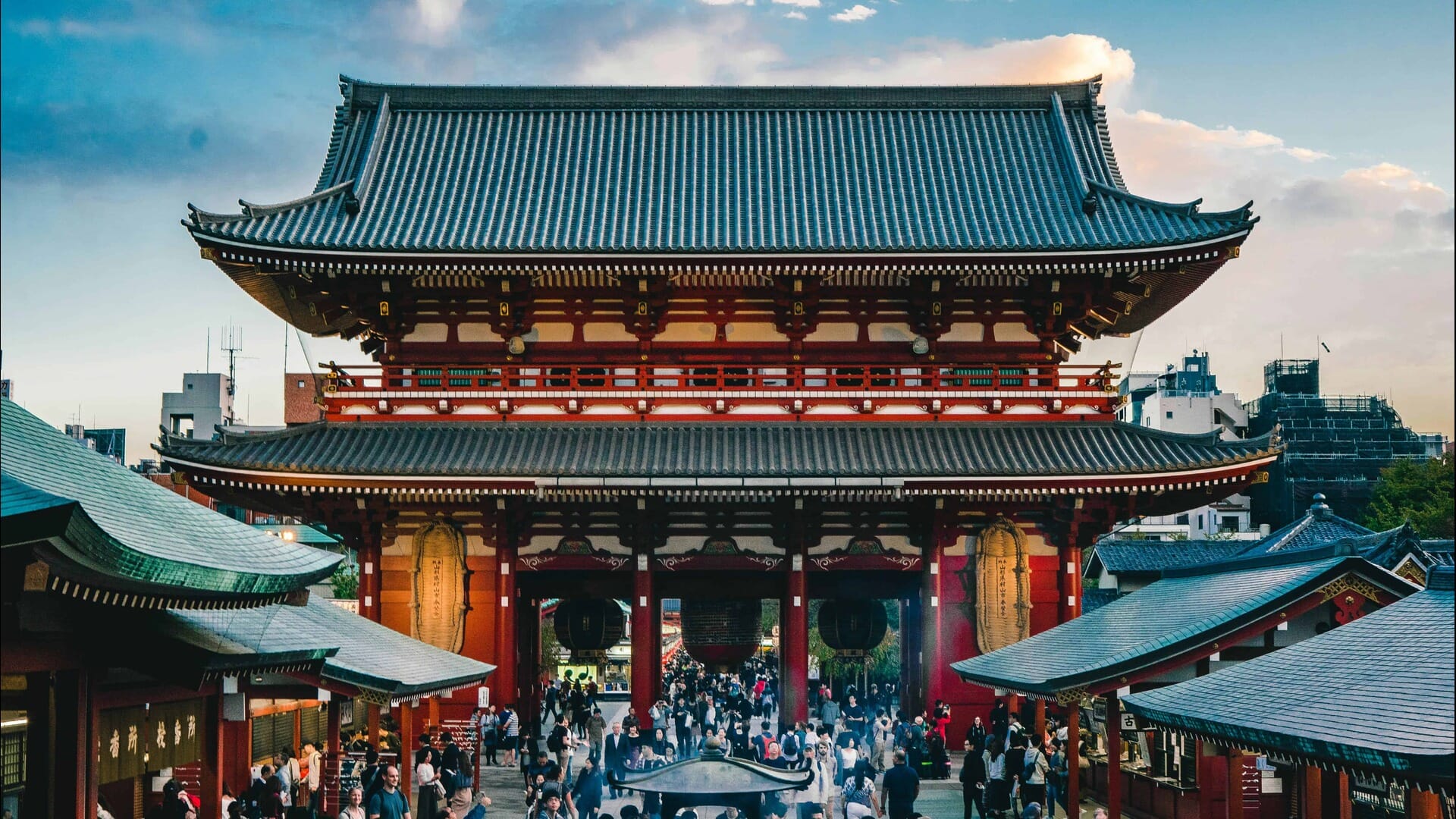
The Best Places for Traditional Crafts in Japan: Workshops to Visit
The Best Places for Traditional Crafts in Japan: Workshops to Visit
Japan is a land steeped in rich traditions and a vibrant culture that has been preserved through the ages. Among the many treasures of this beautiful country are its traditional crafts, which reflect the artistry, skill, and dedication of generations of artisans.
From intricate pottery to exquisite textiles, Japan offers a plethora of opportunities to immerse yourself in these time-honored practices. In this article, we will explore the best places for traditional crafts in Japan, highlighting workshops that you can visit to learn, create, and appreciate the beauty of Japanese craftsmanship.
1. Discovering the Art of Pottery in Mashiko
Mashiko Pottery Workshops: A Journey into Ceramics
Nestled in Tochigi Prefecture, Mashiko is renowned for its pottery, particularly the rustic and earthy style known as Mashiko-yaki. This charming town is home to numerous pottery workshops where visitors can try their hand at creating their own pieces.
The History of Mashiko Pottery
Mashiko's pottery tradition dates back to the late 19th century, when it was established as a center for ceramic production. The town gained prominence thanks to the efforts of Shoji Hamada, a Living National Treasure and a key figure in the Mingei (folk art) movement. Today, Mashiko continues to thrive as a hub for pottery enthusiasts.
Workshops to Visit
- Yoshida Pottery: This workshop offers hands-on experiences where you can create your own Mashiko-yaki pottery under the guidance of skilled artisans.
- Kawaguchi Pottery: Known for its beautiful glazes and unique designs, Kawaguchi Pottery provides a welcoming environment for beginners and experienced potters alike.
What to Expect
During your visit, you’ll learn about the pottery-making process, from shaping the clay to glazing and firing your creations. The workshops often conclude with a chance to take home your handmade pottery, making for a memorable souvenir.
2. The Timeless Craft of Kimono Weaving in Kyoto
Kyoto's Kimono Weaving Workshops: A Cultural Experience
Kyoto, the ancient capital of Japan, is famous for its traditional textiles, particularly kimono. The art of kimono weaving is a meticulous process that requires skill and precision, and there are several workshops in Kyoto where you can experience this craft firsthand.
The Significance of Kimono in Japanese Culture
Kimonos are more than just clothing; they are a symbol of Japanese culture and heritage. Each kimono tells a story through its patterns, colors, and fabrics, often representing seasonal motifs or historical significance.
Workshops to Visit
- Kyo Yuzen: This workshop specializes in Yuzen dyeing, a technique that involves hand-painting intricate designs on silk. Participants can create their own fabric pieces to take home.
- Kimonoya: Offering a comprehensive kimono-making experience, Kimonoya allows visitors to try their hand at weaving and dyeing, guided by expert artisans.
What to Expect
In these workshops, you’ll gain insight into the history and techniques of kimono making. You’ll also have the opportunity to wear a kimono and participate in a traditional tea ceremony, deepening your understanding of Japanese culture.
3. The Art of Sado: Japanese Tea Ceremony Workshops
Experience the Serenity of Sado in Japan
The Japanese tea ceremony, or sado, is a highly ritualized practice that embodies harmony, respect, purity, and tranquility. Participating in a tea ceremony workshop is a wonderful way to connect with Japanese culture and learn about this ancient art.
The Philosophy Behind Sado
Sado is not just about drinking tea; it is a spiritual journey that emphasizes mindfulness and appreciation of the present moment. The ceremony is often conducted in a serene setting, enhancing the overall experience.
Workshops to Visit
- En Tea House: Located in Kyoto, En Tea House offers immersive tea ceremony experiences where participants can learn about the history and significance of sado while enjoying matcha tea.
- Kikyoan: This workshop provides a unique opportunity to participate in a tea ceremony in a traditional tatami room, guided by a knowledgeable tea master.
What to Expect
During the workshop, you’ll learn about the various utensils used in the tea ceremony, the proper etiquette, and the significance of each step in the process. You’ll also have the chance to prepare and serve tea, creating a deeper connection to this beautiful tradition.
4. Exploring the World of Japanese Calligraphy in Kanazawa
Kanazawa Calligraphy Workshops: A Journey into Ink and Paper
Kanazawa, known for its rich cultural heritage, is an excellent place to explore the art of Japanese calligraphy, or shodo. This ancient practice combines artistic expression with meditation, making it a fulfilling experience for participants.
The Beauty of Shodo
Shodo is more than just writing; it is a form of art that emphasizes brush strokes, balance, and composition. Each character is a reflection of the artist’s emotions and state of mind, making every piece unique.
Workshops to Visit
- Shodo Kanazawa: This workshop offers classes for all skill levels, where you can learn the basics of brush techniques and create your own calligraphy pieces.
- Kanazawa Art School: Known for its comprehensive art programs, this school provides in-depth calligraphy workshops that delve into the history and philosophy of shodo.
What to Expect
Participants will receive personalized instruction on brush handling and ink preparation. You’ll have the opportunity to create your own calligraphy art, which you can take home as a cherished keepsake.
5. The Craft of Traditional Japanese Paper Making in Echizen
Echizen Washi Workshops: The Art of Paper Making
Echizen, located in Fukui Prefecture, is famous for its traditional washi (Japanese paper) production. The region has a history of paper making that dates back over 1,500 years, and today, you can participate in workshops that celebrate this ancient craft.
The Significance of Washi in Japanese Culture
Washi is known for its durability and versatility, making it ideal for various applications, from calligraphy to crafts. The paper is often made from the fibers of the mulberry tree, which are processed using traditional techniques.
Workshops to Visit
- Echizen Washi Village: This facility offers hands-on experiences where visitors can learn the paper-making process, from harvesting the fibers to creating their own sheets of washi.
- Washi no Sato: A community center dedicated to preserving the art of washi making, Washi no Sato provides workshops that explore different techniques and uses of washi.
What to Expect
During the workshop, you’ll gain insight into the history of washi and its significance in Japanese culture. You’ll also have the chance to create your own washi paper, which can be used for calligraphy, crafts, or as a beautiful gift.
6. The Intricate Craft of Lacquerware in Wajima
Wajima Lacquerware Workshops: A Glimpse into Traditional Craftsmanship
Wajima, located in Ishikawa Prefecture, is renowned for its exquisite lacquerware, known as Wajima-nuri. This traditional craft involves applying layers of natural lacquer to wooden objects, resulting in stunning, durable pieces.
The Art of Wajima-nuri
Wajima-nuri is characterized by its rich colors, intricate designs, and glossy finish. The craftsmanship requires years of training, and each piece is a testament to the artisan’s skill and dedication.
Workshops to Visit
- Wajima Lacquerware Museum: This museum offers workshops where visitors can learn about the history and techniques of lacquerware production while creating their own pieces.
- Kikuchi Lacquerware: Known for its high-quality craftsmanship, Kikuchi Lacquerware provides hands-on experiences that allow participants to apply lacquer and create unique designs.
What to Expect
In these workshops, you’ll learn about the different types of lacquer and the application process. You’ll also have the opportunity to create your own lacquerware, which you can proudly display at home.
7. The Art of Indigo Dyeing in Tokushima
Tokushima Indigo Workshops: A Dive into Natural Dyeing
Tokushima Prefecture is famous for its indigo dyeing, known as Aizome. This traditional craft has been practiced for centuries and is celebrated for its rich colors and unique patterns.
The History of Aizome
Aizome has deep roots in Japanese culture, with indigo being used to dye textiles for clothing, household items, and even samurai armor. The process of dyeing with indigo is both an art and a science, requiring skill and patience.
Workshops to Visit
- Aizome Workshop: This workshop offers hands-on experiences where participants can learn the indigo dyeing process, from preparing the dye to creating their own fabric pieces.
- Tokushima Indigo Museum: This museum provides workshops that explore the history and techniques of Aizome, allowing visitors to create their own indigo-dyed items.
What to Expect
During the workshop, you’ll learn about the different dyeing techniques and the significance of indigo in Japanese culture. You’ll have the chance to create your own indigo-dyed fabric, which can be used for various crafts.
8. The Craft of Bamboo Weaving in Takamatsu
Takamatsu Bamboo Workshops: A Unique Craft Experience
Takamatsu, located in Kagawa Prefecture, is known for its beautiful bamboo crafts. The art of bamboo weaving is a traditional skill that has been passed down through generations, resulting in stunning and functional pieces.
The Beauty of Bamboo Weaving
Bamboo is a versatile material that can be used to create a wide range of items, from baskets to furniture. The craftsmanship involved in bamboo weaving requires precision and creativity.
Workshops to Visit
- Takamatsu Bamboo Museum: This museum offers workshops where visitors can learn about the history of bamboo crafts and create their own woven items.
- Kagawa Bamboo Crafts Association: Known for its commitment to preserving traditional bamboo weaving techniques, this association provides hands-on experiences for participants.
What to Expect
In these workshops, you’ll learn about the different types of bamboo and the weaving techniques used to create beautiful pieces. You’ll have the opportunity to create your own bamboo item, which can serve as a unique souvenir.
9. The Art of Traditional Japanese Doll Making in Nagasaki
Nagasaki Doll Workshops: A Cultural Heritage Experience
Nagasaki is famous for its traditional doll-making craft, known as Nagasaki Kunchi. This art form combines intricate craftsmanship with cultural storytelling, resulting in beautiful dolls that reflect Japanese folklore.
The Significance of Japanese Dolls
Japanese dolls are often associated with various festivals and celebrations, each representing different aspects of Japanese culture. The craftsmanship involved in doll making is a testament to the skill and dedication of artisans.
Workshops to Visit
- Nagasaki Doll Museum: This museum offers workshops where participants can learn about the history of doll making and create their own traditional dolls.
- Kunchi Doll Workshop: Known for its vibrant and colorful dolls, this workshop provides hands-on experiences for visitors to create their own unique pieces.
What to Expect
During the workshop, you’ll learn about the different materials and techniques used in doll making. You’ll have the chance to create your own doll, which can serve as a cherished keepsake.
10. The Craft of Traditional Japanese Woodblock Printing in Kyoto
Kyoto Woodblock Printing Workshops: A Timeless Art
Kyoto is home to the traditional craft of ukiyo-e, or woodblock printing. This art form has a rich history and is known for its stunning imagery and vibrant colors.
The History of Ukiyo-e
Ukiyo-e, which translates to “pictures of the floating world,” flourished during the Edo period and often depicted landscapes, kabuki actors, and beautiful women. The craftsmanship involved in woodblock printing is intricate and requires a deep understanding of the process.
Workshops to Visit
- Ukiyo-e Museum: This museum offers workshops where visitors can learn about the history and techniques of woodblock printing while creating their own prints.
- Kyoto Printmaking Studio: Known for its commitment to preserving traditional printing techniques, this studio provides hands-on experiences for participants.
What to Expect
During the workshop, you’ll learn about the different types of wood and inks used in ukiyo-e printing. You’ll have the opportunity to create your own woodblock print, which can serve as a beautiful reminder of your time in Japan.
Conclusion: Embracing the Spirit of Japanese Craftsmanship
Japan's traditional crafts are a testament to the country's rich cultural heritage and the dedication of its artisans. By participating in workshops across the country, you can gain a deeper appreciation for these time-honored practices while creating your own unique pieces. Whether you’re interested in pottery, textiles, or any other craft, Japan offers a wealth of opportunities to connect with its artistic traditions. So pack your bags and embark on a journey to discover the best places for traditional crafts in Japan, where you can learn, create, and immerse yourself in the beauty of Japanese craftsmanship.