
The Best Places for Photography in Kyoto: Capturing Tradition
The Best Places for Photography in Kyoto: Capturing Tradition
Kyoto, the ancient capital of Japan, is a city where tradition and modernity coexist beautifully. With its stunning temples, serene gardens, and vibrant streets, it offers countless opportunities for photography enthusiasts to capture the essence of Japanese culture. In this comprehensive guide, we will explore the best places for photography in Kyoto, providing you with tips and insights to help you create stunning images that reflect the city's rich heritage.
1. Exploring the Historic Districts of Kyoto
Kyoto is renowned for its well-preserved historic districts, each offering unique photographic opportunities. The narrow streets lined with traditional wooden machiya houses, tea shops, and artisan workshops create a picturesque backdrop for your photos.
1.1 Gion District: The Heart of Geisha Culture
Gion is perhaps the most famous district in Kyoto, known for its geisha culture and traditional wooden buildings. As you wander through the streets, keep an eye out for geiko (geisha) and maiko (apprentice geisha) gracefully moving between tea houses. The best time to photograph Gion is during the early evening when the lanterns are lit, casting a warm glow on the streets.
1.2 Higashiyama District: A Journey Through Time
Higashiyama is another historic area that transports you back in time. The streets are lined with shops selling traditional crafts, sweets, and souvenirs. Don’t miss the iconic Kiyomizu-dera Temple, which offers breathtaking views of the city and is especially stunning during cherry blossom season. Capture the temple framed by blooming sakura trees for a truly magical shot.
2. Iconic Temples and Shrines for Stunning Photography
Kyoto is home to over 1,600 temples and 400 shrines, each with its own unique charm. Here are some of the must-visit locations for capturing the beauty of these sacred sites.
2.1 Kinkaku-ji: The Golden Pavilion
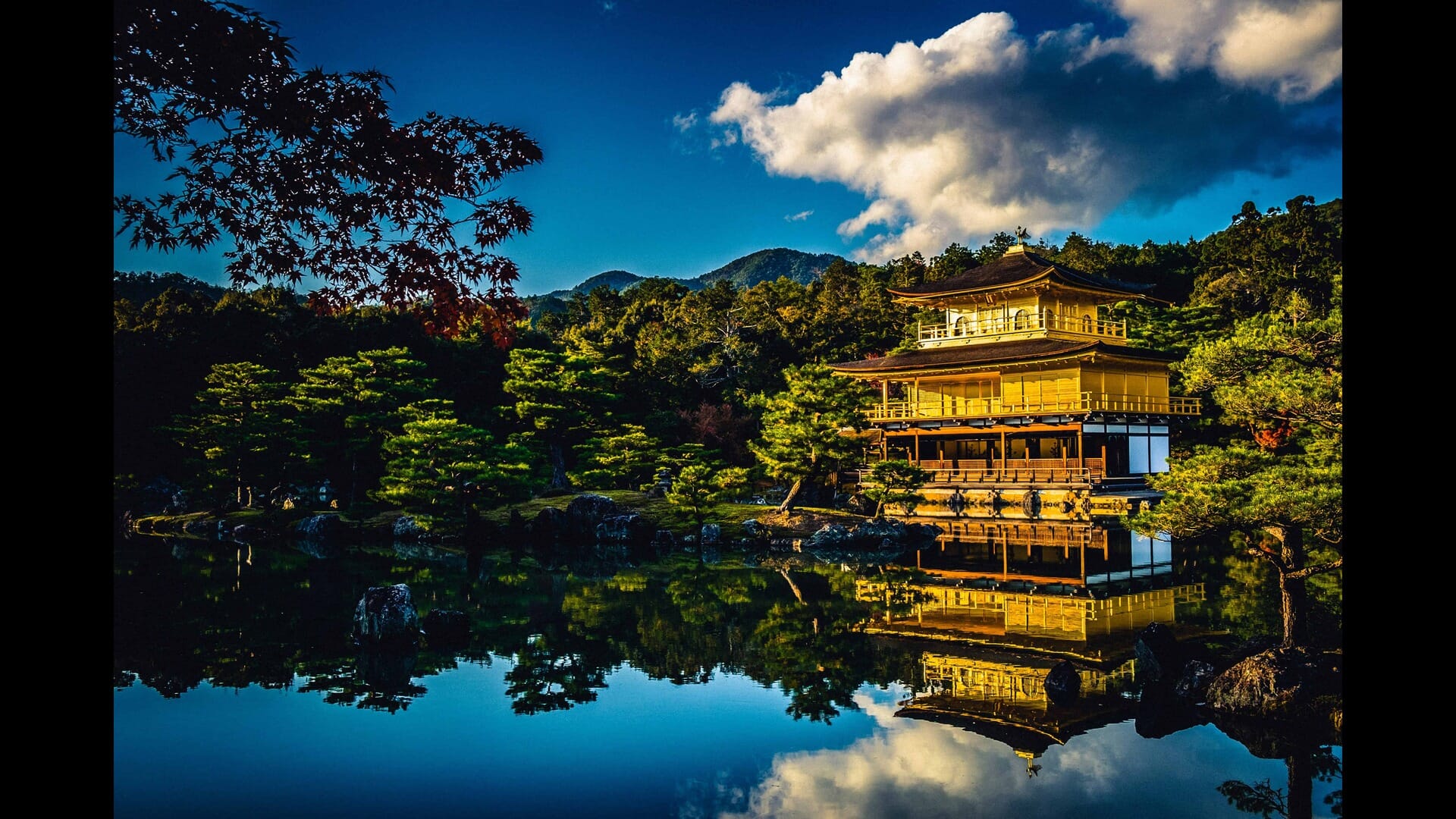
Kinkaku-ji, or the Golden Pavilion, is one of Kyoto's most iconic landmarks. The shimmering gold leaf exterior reflects beautifully in the surrounding pond, creating a perfect symmetry for your photographs. Visit early in the morning to avoid crowds and capture the serene atmosphere.
2.2 Fushimi Inari Taisha: A Pathway of Torii Gates
Fushimi Inari Taisha is famous for its thousands of vermillion torii gates that wind up the sacred Mount Inari. This site offers endless opportunities for creative photography. Experiment with different angles and perspectives as you walk through the gates, capturing the interplay of light and shadow.
3. Serene Gardens: Nature's Canvas in Kyoto
Kyoto's gardens are meticulously designed to reflect the beauty of nature. These tranquil spaces provide a perfect setting for capturing the essence of Japanese aesthetics.
3.1 Ryoan-ji: The Rock Garden
Ryoan-ji is known for its famous rock garden, which consists of raked gravel and carefully placed rocks. The simplicity of the design invites contemplation and offers a unique photographic opportunity. Capture the garden during different seasons to showcase its changing beauty.
3.2 Nanzen-ji: A Garden of Tranquility
Nanzen-ji is a large temple complex with beautiful gardens and a stunning aqueduct. The juxtaposition of the aqueduct against the lush greenery creates a striking image. Visit during the autumn months to capture the vibrant fall colors.
4. Capturing Kyoto's Seasonal Beauty
Kyoto is a city that transforms with the seasons, offering photographers a diverse palette throughout the year. Understanding the seasonal changes can help you plan your photography trips effectively.
4.1 Cherry Blossom Season: A Dreamy Wonderland
Spring is synonymous with cherry blossoms, and Kyoto is one of the best places to witness this breathtaking phenomenon. Popular spots like Maruyama Park and the Philosopher's Path are perfect for capturing the delicate pink blooms. Arrive early in the morning for soft lighting and fewer crowds.
4.2 Autumn Leaves: A Colorful Tapestry
Autumn in Kyoto is a visual feast, with vibrant red and orange leaves painting the landscape. The gardens of Tofuku-ji Temple and the Arashiyama Bamboo Grove are particularly stunning during this season. Capture the contrast between the colorful foliage and the traditional architecture for striking images.
5. Unique Perspectives: Off the Beaten Path
While Kyoto's popular attractions are a must-visit, exploring lesser-known locations can lead to unique photographic opportunities.
5.1 Otagi Nenbutsu-ji: A Hidden Gem
Otagi Nenbutsu-ji is a small temple located in the Arashiyama area, featuring over 1,200 stone statues of rakan (disciples of Buddha). Each statue has a unique expression, making it a fascinating subject for photography. The peaceful atmosphere and surrounding nature add to the charm of this hidden gem.
5.2 Kurama and Kibune: Nature and Tradition
The villages of Kurama and Kibune, located in the northern mountains of Kyoto, offer a different perspective of the city. Capture the scenic landscapes, traditional ryokan (inns), and the serene Kifune Shrine. The hiking trails between the two villages provide stunning views and opportunities for nature photography.
6. The Art of Street Photography in Kyoto
Kyoto's streets are alive with culture and tradition, making it an excellent destination for street photography. Here are some tips to help you capture the essence of daily life in Kyoto.
6.1 Capture the Local Culture
Take your camera to the bustling Nishiki Market, where you can photograph local vendors selling fresh produce, traditional snacks, and crafts. The vibrant colors and lively atmosphere create a dynamic backdrop for street photography.
6.2 Documenting Festivals and Events
Kyoto is home to numerous festivals throughout the year, such as the Gion Matsuri and Jidai Matsuri. These events provide a unique opportunity to capture traditional costumes, performances, and the vibrant energy of the locals. Be sure to check the festival calendar and plan your visit accordingly.
7. Photography Tips for Capturing Kyoto's Essence
To make the most of your photography experience in Kyoto, consider the following tips:
7.1 Golden Hour: The Best Time to Shoot
The golden hour, shortly after sunrise and before sunset, provides soft, warm lighting that enhances the beauty of your photos. Plan your visits to key locations during these times for the best results.
7.2 Use a Tripod for Stability
Many of Kyoto's temples and gardens have low light conditions, especially in the early morning or late evening. Using a tripod will help you capture sharp images and allow for longer exposure times.
8. The Influence of Traditional Architecture on Photography
Kyoto's traditional architecture is a significant aspect of its cultural heritage. Understanding the architectural styles can enhance your photography.
8.1 The Beauty of Shoin-zukuri
Shoin-zukuri is a traditional Japanese architectural style characterized by tatami mat flooring and sliding doors. Capture the intricate details of these structures, such as wooden beams and shoji screens, to showcase the beauty of Japanese design.
8.2 The Elegance of Kyo-machiya
Kyo-machiya are traditional townhouses found throughout Kyoto. Their unique design, featuring narrow facades and deep interiors, offers interesting compositions for photography. Look for the interplay of light and shadow as you capture these charming homes.
9. The Role of Nature in Kyoto's Photography
Nature plays a vital role in Kyoto's aesthetic, with gardens, mountains, and rivers enhancing the city's beauty. Here are some natural locations to consider for your photography.
9.1 Arashiyama Bamboo Grove: A Natural Wonder
The Arashiyama Bamboo Grove is a must-visit for any photographer. The towering bamboo stalks create a surreal atmosphere, especially when the sunlight filters through the leaves. Experiment with different angles to capture the height and density of the bamboo.
9.2 The Kamo River: A Serene Escape
The Kamo River runs through Kyoto, providing a peaceful setting for photography. Capture the reflections of the surrounding architecture in the water, or photograph locals enjoying leisurely walks along the riverbanks. The changing seasons also offer diverse photographic opportunities.
10. Conclusion: Capturing the Spirit of Kyoto
Kyoto is a city that invites exploration and creativity. From its historic districts and iconic temples to its serene gardens and vibrant streets, there is no shortage of photographic inspiration. By understanding the best places for photography in Kyoto and utilizing the tips provided in this guide, you can capture the essence of tradition and beauty that this remarkable city has to offer. Whether you are a seasoned photographer or a beginner, Kyoto promises to be a rewarding destination for your photographic journey.
As you embark on your adventure, remember to be respectful of the local culture and traditions. Take your time to appreciate the beauty around you, and let your creativity flow as you capture the spirit of Kyoto through your lens.