
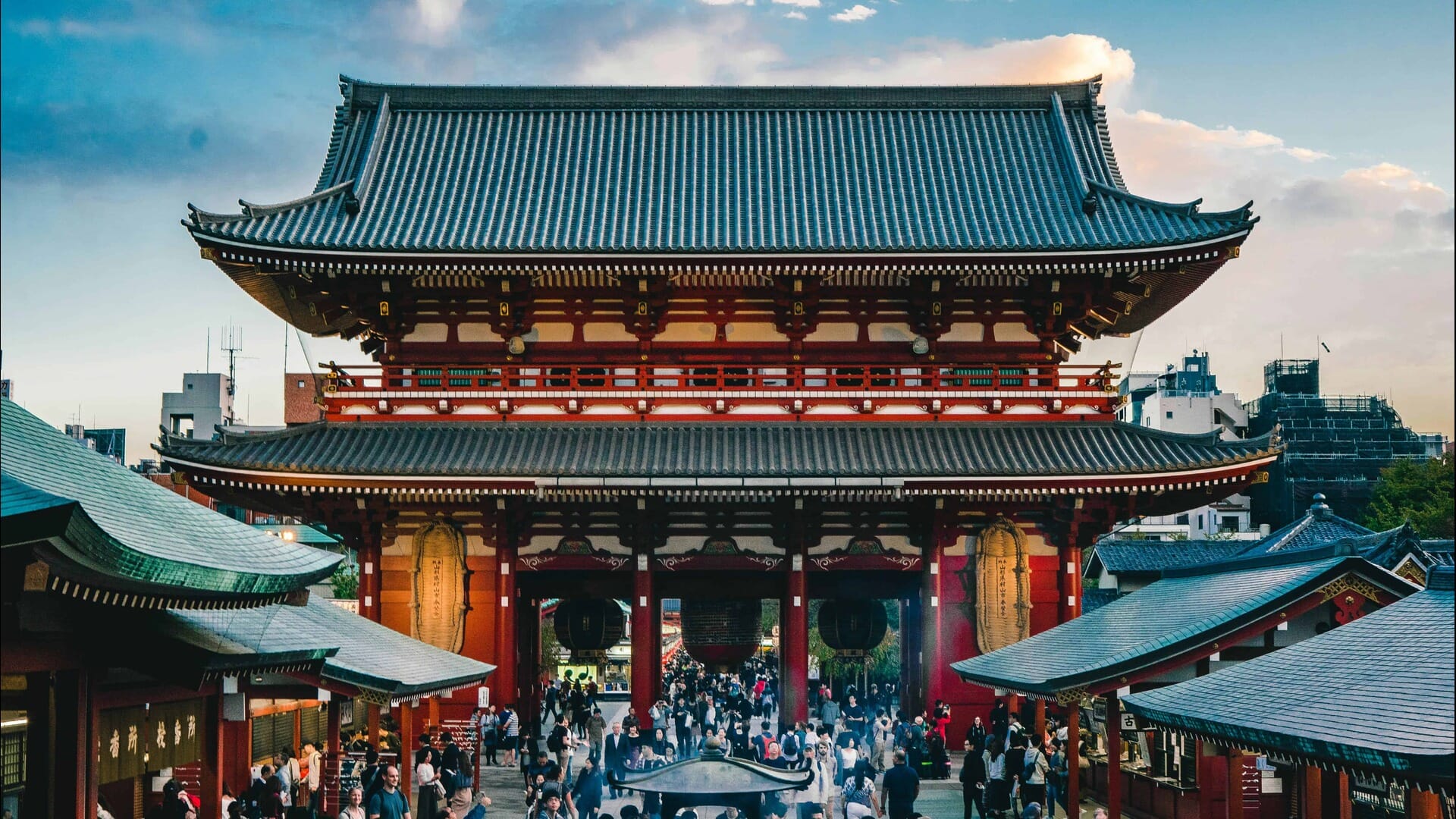
The Best Places to Experience Traditional Japanese Music
The Best Places to Experience Traditional Japanese Music
Japan is a land steeped in rich cultural heritage, where ancient traditions blend seamlessly with modern life. Among the most captivating aspects of this heritage is traditional Japanese music, a genre that encompasses a variety of forms, instruments, and styles. For those looking to immerse themselves in the melodious sounds of Japan, this article serves as a comprehensive guide to the best places to experience traditional Japanese music.
From the serene temples of Kyoto to the bustling streets of Tokyo, we will explore venues, festivals, and cultural hotspots where you can enjoy the enchanting rhythms and melodies that have defined Japanese music for centuries.
Understanding Traditional Japanese Music: A Brief Overview
Before diving into the best places to experience traditional Japanese music, it’s essential to understand what makes this genre unique. Traditional Japanese music can be broadly categorized into several forms, including:
- Gagaku: The oldest form of Japanese classical music, often performed at the Imperial Court. It features a range of instruments, including the sho (a mouth organ) and the hichiriki (a double-reed instrument).
- Noh and Kabuki Music: These theatrical forms incorporate music as an integral part of the performance, with distinct styles and instruments that enhance the storytelling.
- Shamisen Music: The shamisen, a three-stringed instrument, is central to many traditional performances, including folk songs and narrative storytelling.
- Min’yō: Traditional folk music that varies by region, often accompanied by dance and local instruments.
Each of these forms offers a unique glimpse into Japan’s cultural landscape, and experiencing them in their authentic settings can be a transformative journey.
1. Kyoto: The Heart of Traditional Japanese Music
Discovering Gagaku at the Imperial Palace
Kyoto, once the capital of Japan, is a treasure trove of historical sites and cultural experiences. One of the best places to experience traditional Japanese music in Kyoto is at the Kyoto Imperial Palace. Here, visitors can witness Gagaku performances, which are often held during special ceremonies and events. The serene atmosphere of the palace grounds, combined with the ethereal sounds of Gagaku, creates an unforgettable experience.
Shamisen Performances in Gion
The Gion district is famous for its geisha culture, and it’s also a fantastic place to experience shamisen music. Many traditional tea houses offer performances where skilled musicians play the shamisen, often accompanied by singing and storytelling. Attending a performance in Gion allows you to immerse yourself in the elegance of Japanese culture while enjoying the haunting melodies of the shamisen.
2. Tokyo: A Modern Hub for Traditional Music
Live Performances at the National Theatre of Japan
In the heart of Tokyo, the National Theatre of Japan is a premier venue for traditional performances, including Noh, Kabuki, and Gagaku. The theatre hosts regular shows featuring some of the country’s most talented artists. Attending a performance here not only provides an opportunity to enjoy traditional music but also to appreciate the intricate art forms that accompany it.
Exploring the Tokyo Folk Music Scene
Tokyo’s vibrant folk music scene is another avenue to experience traditional Japanese music. Venues like Koenji and Shimokitazawa often host live performances featuring min’yō and other folk styles. These intimate settings allow you to connect with local musicians and enjoy the lively atmosphere of traditional Japanese folk music.
3. Okinawa: The Unique Sounds of the Islands
Experiencing Okinawan Music at Shuri Castle
Okinawa boasts a distinct musical heritage that differs from mainland Japan. The Okinawan music scene is characterized by the use of the sanshin, a three-stringed instrument similar to the shamisen. Visitors to Shuri Castle can often find performances showcasing traditional Okinawan music, complete with vibrant dances and costumes. This unique blend of sounds and sights offers a different perspective on Japan’s musical diversity.
Festivals Celebrating Okinawan Culture
Okinawa hosts several festivals throughout the year that celebrate its rich cultural heritage. The Okinawa Zento Eisa Matsuri is one such festival, featuring lively performances of traditional music and dance. Attending this festival provides a fantastic opportunity to experience the energetic rhythms and vibrant spirit of Okinawan music.
4. Hokkaido: The Sounds of the North
Traditional Ainu Music and Dance
Hokkaido, Japan’s northernmost island, is home to the Ainu people, an indigenous group with a rich cultural heritage. Traditional Ainu music is characterized by its unique vocal techniques and the use of traditional instruments like the tonkori (a stringed instrument) and the mukkuri (a mouth harp). Visitors can experience Ainu music at cultural centers such as the Ainu Museum in Shiraoi, where performances and workshops provide insight into this fascinating culture.
The Sapporo Snow Festival: A Musical Experience
The Sapporo Snow Festival is another excellent opportunity to experience traditional Japanese music in Hokkaido. During this annual event, various performances take place, showcasing local music and dance. The festival’s vibrant atmosphere, combined with the enchanting sounds of traditional music, creates a magical experience for visitors.
5. Kanazawa: A Cultural Gem
The 21st Century Museum of Contemporary Art
Kanazawa is known for its rich history and well-preserved traditional arts. The 21st Century Museum of Contemporary Art often features exhibitions and performances that highlight traditional Japanese music. Visitors can enjoy concerts that blend contemporary and traditional styles, showcasing the evolution of Japanese music.
Traditional Music in the Higashi Chaya District
The Higashi Chaya District is a historic geisha district in Kanazawa where visitors can experience traditional music performances in tea houses. Here, you can enjoy live shamisen music while sipping on matcha tea, immersing yourself in the ambiance of Japan’s past.
6. Nara: The Ancient Capital's Musical Heritage
Gagaku at Todai-ji Temple
Nara, another ancient capital of Japan, offers a unique opportunity to experience Gagaku at the Todai-ji Temple. This UNESCO World Heritage site often hosts Gagaku performances, allowing visitors to appreciate the spiritual and historical significance of this ancient music form in a breathtaking setting.
Nara's Traditional Festivals
Nara is also home to several traditional festivals, such as the Nara Tōkae festival, where visitors can enjoy traditional music performances amidst thousands of lanterns. This enchanting event combines the beauty of music with the serene ambiance of illuminated lanterns, creating a magical atmosphere.
7. Hiroshima: Resilience Through Music
Traditional Music at the Hiroshima Peace Memorial Park
Hiroshima, known for its tragic history, has a vibrant cultural scene that includes traditional music. The Hiroshima Peace Memorial Park often hosts events featuring traditional Japanese music, symbolizing resilience and hope. Attending a performance in this poignant setting allows visitors to reflect on the power of music in healing and remembrance.
The Hiroshima Flower Festival
The Hiroshima Flower Festival is another event that showcases traditional music, featuring performances from local artists and groups. This lively festival celebrates peace and community, making it an excellent opportunity to experience the harmonious sounds of traditional Japanese music.
8. Nagoya: A Blend of Tradition and Modernity
Traditional Music at Nagoya Castle
Nagoya is home to the stunning Nagoya Castle, where visitors can experience traditional music performances during special events. The castle’s historical significance and beautiful surroundings create a captivating backdrop for enjoying the sounds of Japan’s musical heritage.
The Nagoya Matsuri: A Cultural Extravaganza
The Nagoya Matsuri is a vibrant festival that celebrates the city’s history and culture. During this event, traditional music and dance performances take center stage, providing a lively atmosphere for visitors to enjoy the rich sounds of Japan.
9. Fukuoka: The Gateway to Kyushu's Musical Traditions
Traditional Hakata Music and Dance
Fukuoka, located on the island of Kyushu, is known for its unique Hakata culture. Traditional Hakata music, characterized by its lively rhythms and vibrant performances, can be experienced at various cultural events and festivals throughout the city. The Hakata Gion Yamakasa festival is a prime example, featuring traditional music and dance that showcases the region’s rich heritage.
Fukuoka Asian Art Museum
The Fukuoka Asian Art Museum often hosts exhibitions and performances that highlight traditional Japanese music, providing visitors with a deeper understanding of the cultural connections between Japan and its Asian neighbors.
10. Traditional Japanese Music Festivals: A Nationwide Celebration
The Importance of Music Festivals in Japan
Japan hosts numerous music festivals throughout the year, celebrating traditional music and culture. These festivals provide an excellent opportunity for visitors to experience a wide range of musical styles and performances in one place. Some notable festivals include:
- The Takayama Matsuri: Held in Takayama, this festival features traditional music and dance performances, showcasing the region’s rich cultural heritage.
- The Awa Odori Festival: Taking place in Tokushima, this festival is famous for its lively folk dance and music, attracting thousands of visitors each year.
- The Gion Matsuri: One of Japan’s most famous festivals, held in Kyoto, features traditional music performances throughout the month of July.
Planning Your Visit to Traditional Music Festivals
When planning your visit to Japan, consider timing your trip to coincide with one of these vibrant festivals. Not only will you experience traditional music, but you’ll also have the chance to engage with local culture, food, and festivities.
Conclusion: Embracing the Melodies of Japan
Experiencing traditional Japanese music is a journey that transcends mere listening; it’s an invitation to connect with Japan’s rich cultural heritage. From the serene sounds of Gagaku in Kyoto to the vibrant rhythms of Okinawan music, each experience offers a unique glimpse into the heart of Japan. Whether you’re attending a performance in a historic tea house or enjoying a lively festival, the melodies of Japan will resonate with you long after your visit. So pack your bags, set your itinerary, and prepare to immerse yourself in the enchanting world of traditional Japanese music.