
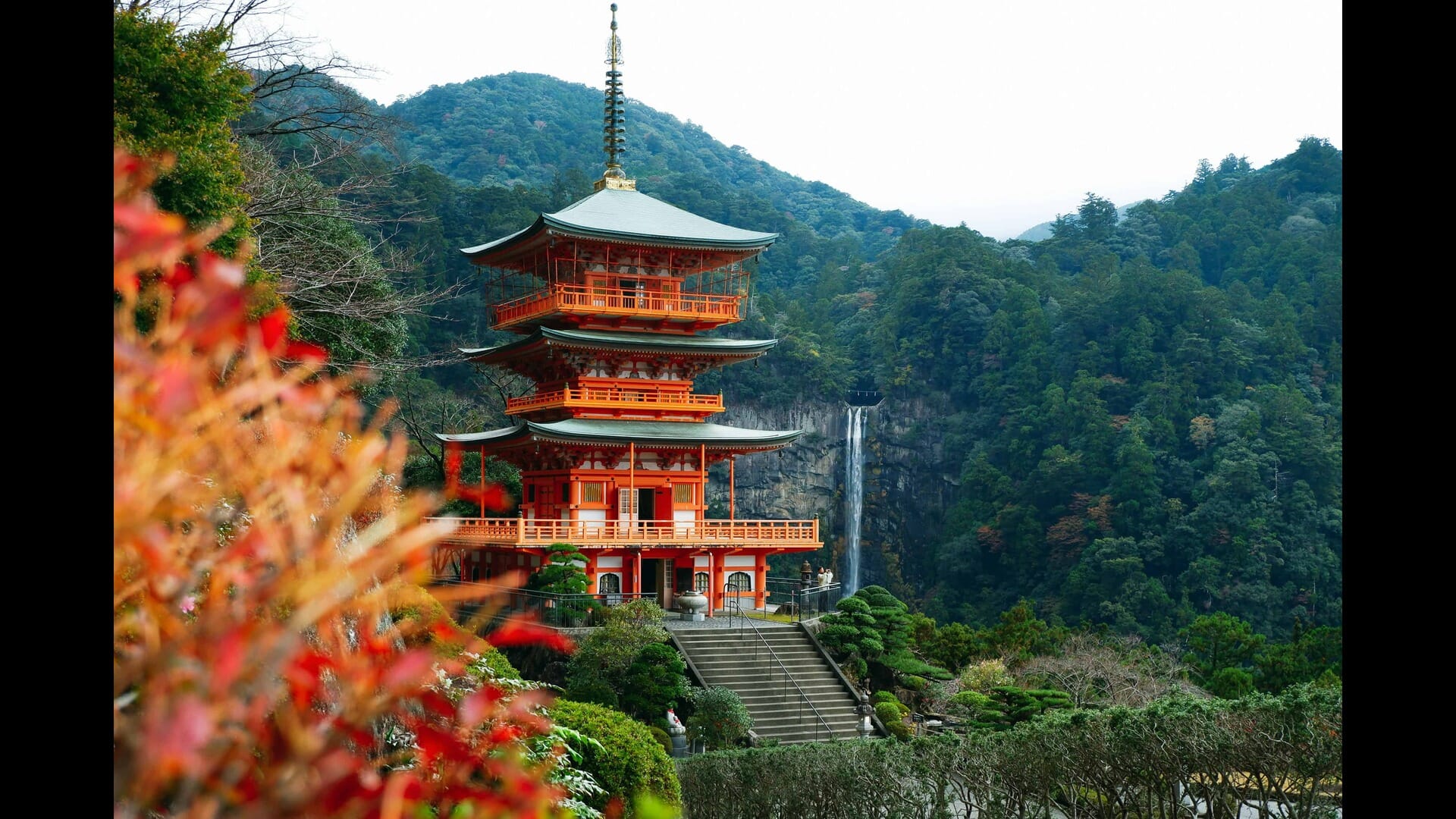
The Best Places to Experience Traditional Japanese Architecture
The Best Places to Experience Traditional Japanese Architecture
Japan is a land where tradition and modernity coexist in a delicate balance. Among the many facets of Japanese culture, architecture stands out as a vivid representation of its history, philosophy, and artistry. From the serene temples of Kyoto to the fortified castles of Okinawa, traditional Japanese architecture offers a glimpse into the soul of this fascinating country.
In this article, we will explore the best places to experience traditional Japanese architecture, delving into the unique characteristics, historical significance, and cultural context of each site.
1. Kyoto: The Heart of Traditional Japanese Architecture
Exploring the Historic City of Kyoto
Kyoto, once the capital of Japan, is often regarded as the epicenter of traditional Japanese architecture. With its stunning temples, shrines, and traditional wooden houses, Kyoto showcases the beauty of Japanese design and craftsmanship.
Key Architectural Highlights in Kyoto
- Kinkaku-ji (Golden Pavilion): This iconic Zen temple, covered in gold leaf, reflects beautifully in the surrounding pond, embodying the elegance of Muromachi-period architecture.
- Ginkaku-ji (Silver Pavilion): Although not covered in silver, this temple is a masterpiece of understated beauty, surrounded by meticulously landscaped gardens.
- Fushimi Inari Taisha: Famous for its thousands of vermilion torii gates, this shrine offers a unique experience of Shinto architecture and spirituality.
Traditional Machiya Houses
As you wander through the streets of Kyoto, you’ll encounter machiya, traditional wooden townhouses characterized by their long, narrow design. These homes often feature tatami mat flooring, sliding doors, and intricate wooden lattice work. Visiting a machiya provides insight into the daily lives of Kyoto’s residents throughout history.
2. Nara: The Ancient Capital with Timeless Temples
Discovering Nara’s Architectural Heritage
Nara, Japan’s first permanent capital, is home to some of the oldest and most significant temples in the country. The architectural styles found here reflect the influence of Buddhism as it took root in Japan.
Must-Visit Temples in Nara
- Todai-ji: This temple houses a giant bronze Buddha statue and is a UNESCO World Heritage Site. Its Great Hall (Daibutsuden) is one of the largest wooden structures in the world.
- Kasuga-taisha: Known for its hundreds of bronze lanterns, this Shinto shrine is a beautiful example of ancient Japanese architecture, set against a backdrop of lush forest.
- Horyu-ji: Another UNESCO World Heritage Site, Horyu-ji is one of the oldest wooden buildings in the world, showcasing the beauty of Asuka-period architecture.
The Influence of Nature on Architecture
Nara’s architecture is deeply intertwined with nature. Many temples and shrines are designed to harmonize with their natural surroundings, creating a serene atmosphere that enhances the spiritual experience.
3. Kanazawa: A Blend of Tradition and Modernity
Exploring Kanazawa’s Historic Districts
Kanazawa is renowned for its well-preserved samurai and geisha districts, offering a glimpse into Japan’s feudal past. The city’s architecture reflects a blend of traditional and modern influences, making it a unique destination.
Key Attractions in Kanazawa
- Kenrokuen Garden: Considered one of Japan’s most beautiful gardens, Kenrokuen features traditional tea houses and stunning seasonal landscapes.
- Higashi Chaya District: This historic geisha district is lined with wooden buildings, tea houses, and shops, providing a glimpse into the world of traditional Japanese entertainment.
- Nagamachi Samurai District: Explore the preserved samurai residences, complete with earthen walls and thatched roofs, to understand the lifestyle of Japan’s warrior class.
The Role of Crafts in Kanazawa
Kanazawa is also famous for its traditional crafts, including gold leaf production and Kutani pottery. Visitors can experience these crafts firsthand, learning about the techniques that have been passed down through generations.
4. Okinawa: The Unique Architectural Heritage of the Ryukyu Islands
Understanding Okinawa’s Distinct Architecture
Okinawa’s architecture is markedly different from that of mainland Japan, influenced by its unique history and geography. The traditional buildings here reflect the Ryukyu Kingdom’s cultural heritage.
Notable Sites in Okinawa
- Shurijo Castle: Once the royal palace of the Ryukyu Kingdom, this castle features vibrant red walls and ornate decorations, showcasing the island’s architectural style.
- Okinawa Traditional Houses: Visit the Okinawa World theme park to see traditional thatched-roof houses, which are designed to withstand the region’s typhoons.
- Sefa Utaki: This sacred site is a prime example of how nature and architecture blend in Okinawa, with structures built into the natural landscape.
The Influence of Nature and Climate
Okinawa’s architecture is designed to cope with its subtropical climate. The use of natural materials and open spaces allows for ventilation and cooling, making traditional Okinawan homes both functional and beautiful.
5. Takayama: A Journey into the Edo Period
Exploring Takayama’s Historic Streets
Nestled in the Japanese Alps, Takayama is famous for its well-preserved Edo-period buildings. The town’s architecture offers a glimpse into the lifestyle of merchants and craftsmen during this historical period.
Highlights of Takayama
- Sanmachi Suji District: This charming area features traditional wooden houses, sake breweries, and shops, allowing visitors to step back in time.
- Hida Folk Village: An open-air museum showcasing traditional farmhouses from the Hida region, complete with thatched roofs and wooden beams.
- Takayama Jinya: A former government outpost, this building is a fine example of Edo-period architecture, with its intricate wooden details and spacious layout.
Festivals and Traditional Crafts
Takayama is also known for its vibrant festivals, where beautifully crafted floats parade through the streets. The town is a hub for traditional crafts, including woodworking and pottery, which visitors can explore and even participate in.
6. Hiroshima: A City Rebuilt with Resilience
The Architectural Significance of Hiroshima
While Hiroshima is often associated with its tragic history, the city is also home to remarkable examples of traditional architecture that reflect its resilience and cultural heritage.
Key Sites in Hiroshima
- Shukkeien Garden: This historic garden features traditional tea houses and beautiful landscapes, embodying the principles of Japanese garden design.
- Hiroshima Castle: Although rebuilt after World War II, the castle’s architecture reflects the style of the original structure, with its elegant wooden design and moats.
- Mitaki-dera Temple: Nestled in the mountains, this temple complex showcases traditional Japanese architecture amidst a serene natural setting.
The Role of Architecture in Healing
Hiroshima’s architecture serves as a reminder of the past while promoting healing and hope for the future. The city’s commitment to preserving its cultural heritage is evident in its restoration efforts and the construction of new buildings that honor traditional styles.
7. Kamakura: The Coastal Town of Temples
Discovering Kamakura’s Rich History
Kamakura, located near Tokyo, is known for its beautiful temples and shrines, many of which date back to the Kamakura period. The town’s architecture reflects the spiritual and artistic values of this era.
Must-See Temples in Kamakura
- Hase-dera: This temple is famous for its wooden Kannon statue and beautiful gardens, offering a peaceful retreat from the bustling city.
- Kotoku-in: Home to the Great Buddha (Daibutsu), this iconic bronze statue is a symbol of Kamakura’s rich Buddhist heritage.
- Tsurugaoka Hachimangu: This Shinto shrine is a stunning example of traditional architecture, with its vibrant colors and intricate details.
The Influence of Zen Buddhism
Kamakura’s architecture is heavily influenced by Zen Buddhism, which emphasizes simplicity and harmony with nature. Many temples feature minimalist designs, tranquil gardens, and natural materials, creating a serene atmosphere for contemplation.
8. Matsumoto: The City of Castles
Exploring Matsumoto’s Architectural Gems
Matsumoto is famous for its stunning castle, which is one of Japan’s most beautiful and well-preserved. The city’s architecture reflects its historical significance as a center of culture and commerce.
Key Attractions in Matsumoto
- Matsumoto Castle: Known as the “Crow Castle” due to its black exterior, this castle features a unique design that combines defensive and aesthetic elements.
- Nakamachi Street: This historic street is lined with traditional wooden buildings, shops, and cafes, offering a glimpse into Matsumoto’s past.
- Matsumoto City Museum of Art: This museum showcases both traditional and contemporary art, housed in a building that harmonizes with its historical surroundings.
The Role of Castles in Japanese History
Japanese castles are not only architectural marvels but also symbols of power and prestige. Matsumoto Castle, with its intricate design and strategic location, played a significant role in the region’s history and remains a testament to Japan’s feudal past.
9. Nikko: A UNESCO World Heritage Site
Discovering the Architectural Wonders of Nikko
Nikko, located in the mountains north of Tokyo, is home to some of Japan’s most ornate and historically significant temples and shrines. The architecture here reflects the grandeur of the Edo period and the influence of Shinto and Buddhism.
Must-Visit Sites in Nikko
- Toshogu Shrine: This lavish shrine is dedicated to Tokugawa Ieyasu, the founder of the Tokugawa shogunate. Its intricate carvings and vibrant colors make it a masterpiece of Japanese architecture.
- Rinno-ji Temple: A significant Buddhist temple in Nikko, Rinno-ji features a stunning three-story pagoda and serene gardens.
- Futarasan Shrine: This ancient shrine is surrounded by beautiful nature and showcases traditional Shinto architecture.
The Importance of Nature in Nikko’s Architecture
Nikko’s architecture is designed to harmonize with its natural surroundings. The use of vibrant colors and intricate designs reflects the beauty of the landscape, creating a spiritual connection between the buildings and nature.
10. Conclusion: Embracing the Beauty of Traditional Japanese Architecture
A Journey Through Time and Culture
Experiencing traditional Japanese architecture is not just about visiting historical sites; it’s about immersing oneself in the culture, philosophy, and artistry that define Japan. Each location offers a unique perspective on the country’s architectural heritage, inviting visitors to appreciate the beauty and significance of these structures.
Tips for Exploring Traditional Japanese Architecture
- Respect the Spaces: Many temples and shrines have specific rules for visitors. Be sure to follow guidelines and show respect for these sacred spaces.
- Take Your Time: Allow yourself to wander and soak in the atmosphere. Each building has its own story to tell.
- Engage with Locals: Don’t hesitate to ask locals about their architectural heritage. They can provide valuable insights and stories that enhance your experience.
Final Thoughts
Whether you’re wandering through the streets of Kyoto, exploring the temples of Nara, or marveling at the castles of Matsumoto, the experience of traditional Japanese architecture is one that stays with you long after you leave. It’s a journey through time, culture, and artistry that reveals the heart and soul of Japan. So pack your bags, grab your camera, and get ready to embark on an unforgettable adventure through the best places to experience traditional Japanese architecture.