
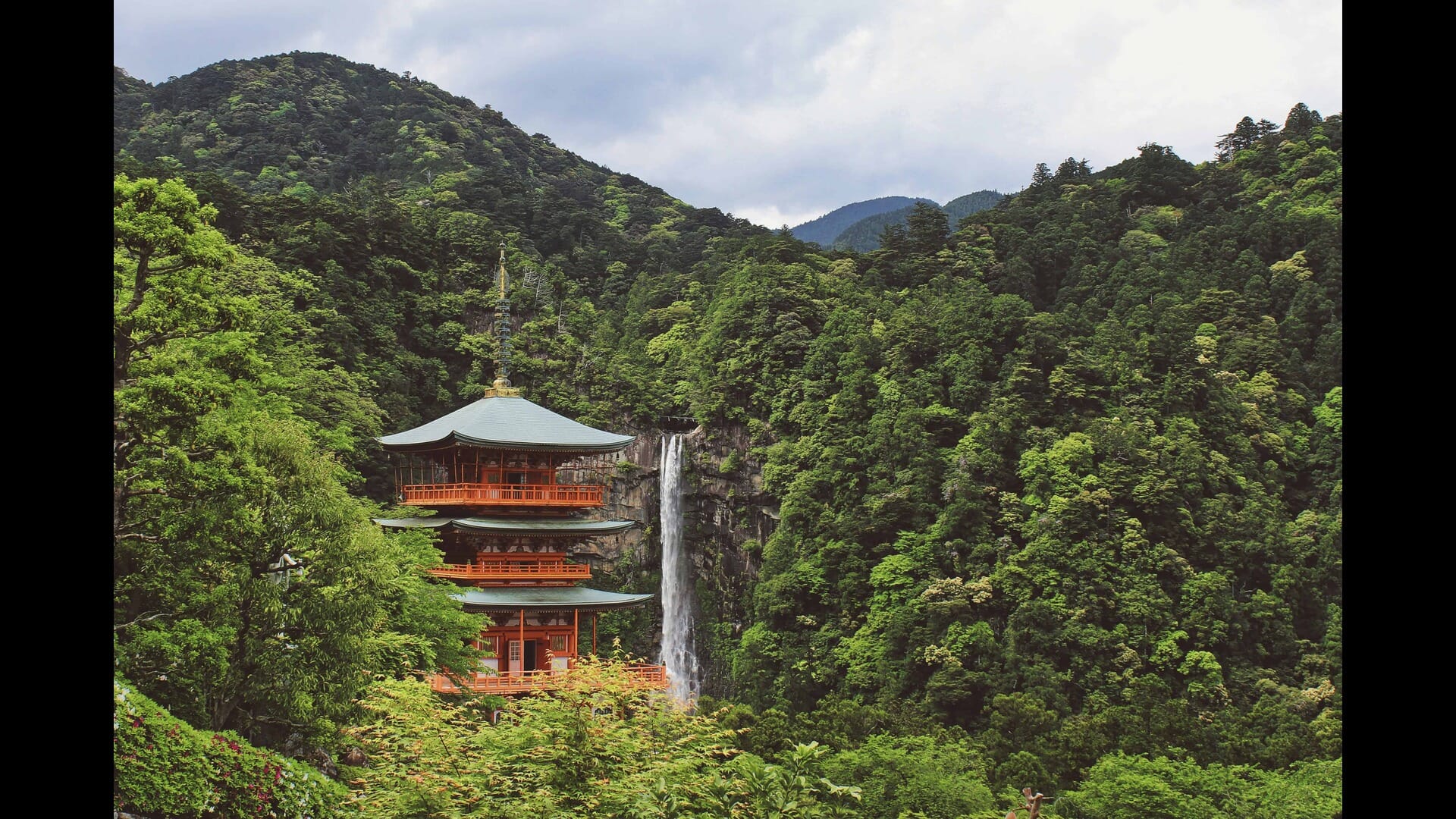
The Best Hiking Trails in Shikoku: Nature Awaits
The Best Hiking Trails in Shikoku: Nature Awaits
Shikoku, the smallest of Japan's four main islands, is a hidden gem for nature lovers and adventure seekers. Known for its stunning landscapes, rich culture, and serene temples, Shikoku offers some of the best hiking trails in Japan. Whether you're a seasoned hiker or a casual walker, the island's diverse terrain and breathtaking views will leave you in awe.
In this comprehensive guide, we will explore the best hiking trails in Shikoku, providing you with detailed descriptions, tips, and insights to make your hiking experience unforgettable.
1. Introduction to Shikoku’s Natural Beauty
Shikoku is often overlooked by travelers heading to Japan, but those who venture here are rewarded with pristine nature and a sense of tranquility. The island is home to majestic mountains, lush forests, and stunning coastlines. The Shikoku Pilgrimage, a famous 88-temple route, also offers unique hiking opportunities that connect spiritual seekers with the island's rich history.
The Unique Geography of Shikoku
Shikoku is characterized by its mountainous interior and coastal plains. The island's highest peak, Mount Ishizuchi, stands at 1,982 meters and is a popular destination for hikers seeking a challenge. The diverse ecosystems range from subtropical forests to alpine meadows, providing a habitat for various flora and fauna. As you hike through Shikoku, you'll encounter breathtaking vistas, cascading waterfalls, and serene temples that dot the landscape.
2. Essential Hiking Gear for Shikoku
Before embarking on your hiking adventure in Shikoku, it's crucial to be well-prepared. Here’s a list of essential gear to ensure a safe and enjoyable experience:
- Hiking Boots: Sturdy, waterproof boots are essential for navigating rocky and muddy trails.
- Backpack: A comfortable backpack with enough space for water, snacks, and extra clothing.
- Clothing: Dress in layers to accommodate changing weather conditions. Quick-dry fabrics are ideal.
- Navigation Tools: A map, compass, or GPS device will help you stay on track.
- First Aid Kit: Always carry a basic first aid kit for emergencies.
- Water and Snacks: Hydration is key, so bring enough water and energy-boosting snacks.
3. The Top Hiking Trails in Shikoku
3.1. Mount Ishizuchi Trail: Conquer the Highest Peak
Mount Ishizuchi is not only the highest mountain in Shikoku but also one of the most revered. The trail to the summit is challenging but offers stunning panoramic views of the surrounding landscape.
Trail Details:
- Distance: Approximately 7 kilometers one way
- Duration: 4-6 hours to the summit
- Difficulty: Moderate to challenging
Highlights:
- Summit Views: On a clear day, you can see the Seto Inland Sea and the mountains of Honshu.
- Ishizuchi Shrine: A sacred site located near the trailhead, dedicated to the mountain deity.
3.2. The Shikoku Pilgrimage: A Spiritual Journey
The Shikoku Pilgrimage is a famous route that connects 88 temples associated with the Buddhist monk Kobo Daishi. While the entire pilgrimage spans over 1,400 kilometers, you can choose sections that offer beautiful hiking experiences.
Trail Details:
- Distance: Varies by section (individual sections range from 10 to 20 kilometers)
- Duration: 3-6 hours per section
- Difficulty: Varies (some sections are easier than others)
Highlights:
- Cultural Experience: Immerse yourself in the spiritual atmosphere of the temples.
- Diverse Landscapes: Each section offers unique scenery, from coastal paths to mountain trails.
3.3. Yoshino River Valley: Scenic River Trails
The Yoshino River is one of Japan's most famous rivers, and the surrounding valley offers picturesque hiking trails. The area is known for its stunning scenery, especially during cherry blossom season.
Trail Details:
- Distance: Varies (multiple trails available)
- Duration: 2-5 hours depending on the chosen trail
- Difficulty: Easy to moderate
Highlights:
- Cherry Blossoms: Visit in spring to witness the breathtaking cherry blossoms along the riverbanks.
- Local Cuisine: Enjoy delicious local dishes at riverside restaurants.
3.4. The Niyodo River Trail: Crystal Clear Waters
The Niyodo River is famous for its crystal-clear waters, making it a popular spot for hiking and photography. The trail follows the river, offering stunning views and opportunities for swimming.
Trail Details:
- Distance: Approximately 10 kilometers
- Duration: 3-4 hours
- Difficulty: Moderate
Highlights:
- Swimming Holes: Take a refreshing dip in the river's clear waters.
- Scenic Views: Enjoy beautiful views of the surrounding mountains and forests.
3.5. Shosanji Temple Trail: A Hidden Gem
The Shosanji Temple Trail is a lesser-known hiking route that leads to the tranquil Shosanji Temple. This trail offers a peaceful escape from the more crowded paths.
Trail Details:
- Distance: Approximately 5 kilometers
- Duration: 2-3 hours
- Difficulty: Easy to moderate
Highlights:
- Temple Serenity: Experience the calm atmosphere of the temple and its beautiful gardens.
- Wildlife Spotting: Keep an eye out for local wildlife along the trail.
3.6. The Iya Valley: A Journey Through Time
The Iya Valley is known for its dramatic landscapes and historical significance. The hiking trails here offer a glimpse into Japan's past, with ancient vine bridges and traditional farmhouses.
Trail Details:
- Distance: Varies (multiple trails available)
- Duration: 3-6 hours depending on the chosen trail
- Difficulty: Moderate
Highlights:
- Vine Bridges: Cross the iconic vine bridges that span the Iya River.
- Cultural Heritage: Learn about the region's history and traditional farming practices.
3.7. The Tsurugi Mountain Trail: A Challenging Adventure
Tsurugi Mountain is another prominent peak in Shikoku, known for its challenging trails and breathtaking views. This hike is ideal for experienced hikers looking for a thrilling adventure.
Trail Details:
- Distance: Approximately 8 kilometers one way
- Duration: 5-7 hours to the summit
- Difficulty: Challenging
Highlights:
- Stunning Vistas: Reach the summit for panoramic views of the surrounding mountains and valleys.
- Alpine Flora: Discover unique alpine plants along the trail.
3.8. The Kankakei Gorge Trail: Nature’s Masterpiece
The Kankakei Gorge is a stunning natural wonder, offering a variety of hiking trails that showcase the area's dramatic cliffs and lush greenery. This area is particularly beautiful in autumn when the leaves change color.
Trail Details:
- Distance: Varies (multiple trails available)
- Duration: 2-5 hours depending on the chosen trail
- Difficulty: Easy to moderate
Highlights:
- Autumn Foliage: Experience breathtaking views of the gorge during the fall season.
- Cable Car Ride: Take a cable car for a unique perspective of the gorge.
3.9. The Shikoku Karst: A Unique Landscape
The Shikoku Karst is a unique limestone plateau that offers a different hiking experience. The area is known for its rolling hills and stunning views of the surrounding mountains.
Trail Details:
- Distance: Approximately 10 kilometers
- Duration: 3-4 hours
- Difficulty: Moderate
Highlights:
- Unique Geology: Explore the fascinating limestone formations and karst landscapes.
- Panoramic Views: Enjoy sweeping views of the surrounding countryside.
3.10. The Setouchi Coastal Trail: A Scenic Coastal Experience
The Setouchi Coastal Trail offers a beautiful hiking experience along the coastline of Shikoku. This trail is perfect for those who want to enjoy the sea breeze and stunning ocean views.
Trail Details:
- Distance: Approximately 15 kilometers
- Duration: 4-5 hours
- Difficulty: Easy to moderate
Highlights:
- Coastal Views: Enjoy breathtaking views of the Seto Inland Sea.
- Beach Access: Take breaks at beautiful beaches along the trail.
4. Best Time to Hike in Shikoku
The best time to hike in Shikoku varies depending on the trail and your preferences. Generally, spring (March to May) and autumn (September to November) are the most popular seasons for hiking due to mild temperatures and stunning natural beauty.
Spring Hiking in Shikoku
Spring is a magical time in Shikoku, with cherry blossoms blooming and vibrant greenery returning. The weather is generally mild, making it ideal for hiking. Popular trails during this season include the Yoshino River Trail and the Shikoku Pilgrimage.
Autumn Hiking in Shikoku
Autumn offers breathtaking foliage as the leaves change color. The Iya Valley and Kankakei Gorge are particularly stunning during this time. The cooler temperatures also make for comfortable hiking conditions.
Summer and Winter Hiking
Summer can be hot and humid, but early morning hikes can be rewarding. Winter hiking is less common but offers a unique experience, especially in the mountains where snow can create a beautiful landscape.
5. Safety Tips for Hiking in Shikoku
While hiking in Shikoku can be an exhilarating experience, it's essential to prioritize safety. Here are some tips to keep in mind:
- Check Weather Conditions: Always check the weather forecast before heading out.
- Stay on Marked Trails: To avoid getting lost, stick to marked trails and follow signs.
- Inform Someone of Your Plans: Let someone know your hiking itinerary and expected return time.
- Carry a Fully Charged Phone: In case of emergencies, having a charged phone can be crucial.
- Respect Nature: Follow Leave No Trace principles to protect the environment.
6. Local Cuisine to Try After Hiking
After a long day of hiking, indulging in local cuisine is a must. Shikoku is known for its delicious food, and here are some dishes to try:
- Sanuki Udon: A thick, chewy noodle dish that is a specialty of Kagawa Prefecture.
- Katsu Curry: A comforting dish of breaded pork cutlet served with curry sauce and rice.
- Yuzu Citrus Products: Try yuzu-flavored sweets, drinks, and sauces that showcase the region's citrus.
7. Accommodations for Hikers in Shikoku
Finding the right accommodations can enhance your hiking experience. Here are some options:
- Ryokan: Traditional Japanese inns that offer a unique cultural experience.
- Guesthouses: Affordable and friendly options for budget travelers.
- Camping: For the adventurous, camping sites are available near popular hiking trails.
8. How to Get Around Shikoku
Getting around Shikoku can be done via public transportation, rental cars, or bicycles. Here are some options:
- Trains: The Shikoku Railway Company operates trains connecting major cities.
- Buses: Local buses can take you to trailheads and popular attractions.
- Bicycles: Renting a bicycle is a great way to explore the scenic countryside.
9. Conclusion: Embrace the Adventure in Shikoku
Shikoku is a hiker's paradise, offering a diverse range of trails that cater to all skill levels. From the majestic peaks of Mount Ishizuchi to the serene paths of the Shikoku Pilgrimage, the island's natural beauty is waiting to be explored. Whether you're seeking adventure, tranquility, or a cultural experience, Shikoku has it all. So lace up your hiking boots, pack your gear, and embark on an unforgettable journey through this enchanting island.
10. Additional Resources for Hiking in Shikoku
For those looking to plan their hiking adventure in Shikoku, here are some additional resources:
- Local Hiking Guides: Consider hiring a local guide for a more immersive experience.
- Hiking Apps: Use hiking apps to find trails, track your progress, and connect with other hikers.
- Travel Blogs: Read travel blogs for personal experiences and tips from fellow hikers.
With this guide, you're now equipped to explore the best hiking trails in Shikoku. Nature awaits you in this beautiful corner of Japan!