
Bali’s Caves: Exploring Goa Gajah and More
Bali’s Caves: Exploring Goa Gajah and More
Bali, the Island of the Gods, is renowned for its stunning beaches, lush rice terraces, and vibrant culture. However, hidden beneath its picturesque landscapes are mystical caves that tell stories of ancient civilizations, spiritual practices, and natural wonders. This article will take you on a journey through some of Bali's most fascinating caves, with a special focus on the iconic Goa Gajah, also known as the Elephant Cave.
Prepare to delve into the depths of Bali's history, culture, and natural beauty as we explore these enchanting sites.
What is Goa Gajah? A Historical Overview of the Elephant Cave
Goa Gajah, or Elephant Cave, is one of Bali's most significant archaeological sites, located just a short drive from Ubud. Dating back to the 11th century, this cave was carved into a rocky hillside and is believed to have served as a place of meditation for Buddhist monks. The entrance of the cave is adorned with intricate carvings of mythical creatures, including a fearsome face that is said to ward off evil spirits.
The Significance of Goa Gajah in Balinese Culture
Goa Gajah holds immense cultural and spiritual significance for the Balinese people. It is not only a historical site but also a place of worship. The cave is surrounded by lush gardens, fountains, and a sacred bathing pool, which adds to its serene atmosphere. Visitors often come to meditate, reflect, and connect with the spiritual energy that permeates the area.
The Architecture of Goa Gajah: A Closer Look at the Carvings
As you approach the entrance of Goa Gajah, you will be struck by the intricate carvings that adorn the cave's facade. The most prominent feature is the large stone face, which is believed to represent the guardian of the cave. Surrounding this face are various depictions of animals and mythical beings, showcasing the artistry and craftsmanship of the Balinese stone carvers.
The Symbolism Behind the Carvings
Each carving at Goa Gajah is steeped in symbolism. The face at the entrance is thought to represent the guardian spirit, while the surrounding figures depict various aspects of Balinese mythology. The presence of elephants in the cave's name is also significant, as elephants are revered in Balinese culture for their strength and wisdom.
Exploring the Interior of Goa Gajah: What to Expect
Upon entering Goa Gajah, visitors are greeted by a cool, dark space that contrasts sharply with the bright sunlight outside. The cave is relatively small, but its atmosphere is both mystical and calming. As you explore the interior, you will notice several niches carved into the walls, which were likely used for meditation or housing offerings.
The Sacred Bathing Pool: A Spiritual Experience
One of the highlights of a visit to Goa Gajah is the sacred bathing pool located just outside the cave. This pool is fed by a series of fountains, each adorned with stone carvings of gods and goddesses. Visitors are encouraged to partake in a cleansing ritual, which involves bathing in the pool to purify the mind and spirit.
Other Notable Caves in Bali: A Guide to Hidden Gems
While Goa Gajah is undoubtedly a must-visit, Bali is home to several other caves that are worth exploring. Each cave offers a unique glimpse into the island's rich history and culture.
1. Goa Lawah: The Bat Cave
Located in the eastern part of Bali, Goa Lawah, or Bat Cave, is famous for its large population of bats that inhabit the cave's dark recesses. The cave is also a sacred site, with a temple built at its entrance. Visitors can witness the fascinating sight of bats emerging at dusk, creating a breathtaking spectacle.
2. Pura Goa Giri Putri: The Cave Temple
Pura Goa Giri Putri is a sacred cave temple located on Nusa Penida Island. This cave is dedicated to the goddess Durga and is a significant pilgrimage site for Balinese Hindus. The cave's interior is adorned with shrines and offerings, creating a serene atmosphere for worship and reflection.
3. Goa Rang Reng: A Hidden Paradise
Tucked away in the lush jungles of Gianyar, Goa Rang Reng is a lesser-known cave that offers a unique adventure for those willing to explore. The cave features stunning rock formations and a natural waterfall, making it a perfect spot for photography and relaxation.
Tips for Visiting Goa Gajah and Other Caves in Bali
To make the most of your cave exploration in Bali, consider the following tips:
1. Dress Appropriately
As Goa Gajah is a sacred site, visitors are required to dress modestly. Sarongs are often provided at the entrance, but it's a good idea to bring your own to ensure comfort.
2. Visit Early or Late
To avoid crowds and fully appreciate the serenity of the caves, plan your visit early in the morning or later in the afternoon. This will also provide you with the best lighting for photography.
3. Hire a Local Guide
Hiring a local guide can enhance your experience by providing insights into the history and significance of the caves. They can also help you navigate the area and discover hidden gems.
4. Respect the Sacredness of the Sites
Remember that these caves are places of worship and spiritual significance. Be respectful of the customs and practices of the local people, and refrain from loud noises or disruptive behavior.
The Natural Beauty Surrounding Goa Gajah
Beyond the cave itself, the area surrounding Goa Gajah is a feast for the senses. Lush greenery, vibrant flowers, and the sound of flowing water create a tranquil environment that invites visitors to relax and reflect.
1. The Sacred Springs
The sacred springs near Goa Gajah are believed to have healing properties. Many visitors come to partake in the cleansing rituals, which involve bathing in the springs to purify the body and soul.
2. The Rice Terraces of Ubud
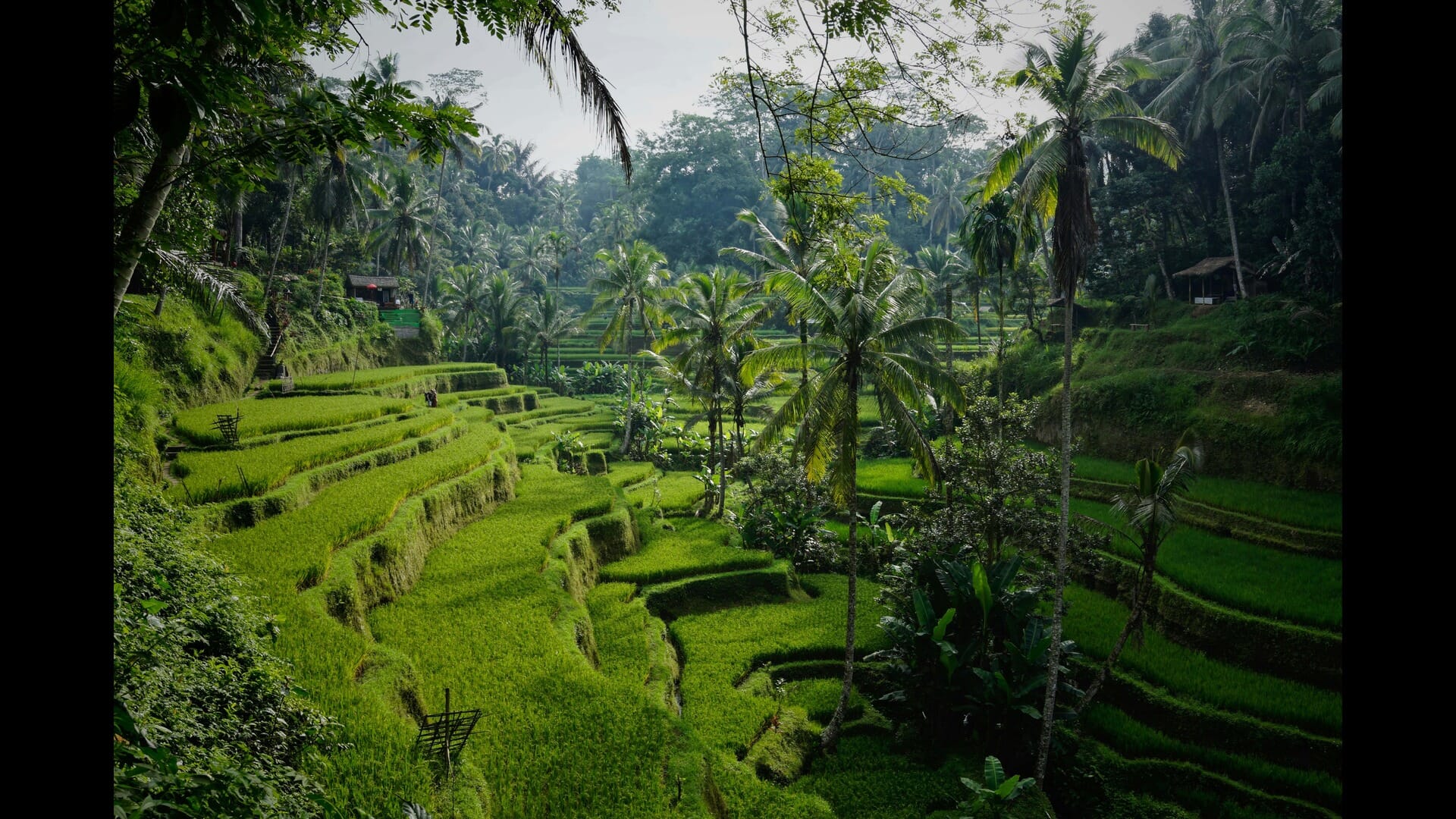
After exploring the caves, take a short trip to the famous rice terraces of Ubud. The stunning landscapes provide a perfect backdrop for a leisurely walk or a photography session.
The Spiritual Journey: Meditation and Reflection in the Caves
Visiting Goa Gajah and other caves in Bali offers more than just a glimpse into history; it provides an opportunity for spiritual growth and reflection. Many visitors find that the serene atmosphere of the caves allows them to connect with their inner selves and gain a deeper understanding of their spirituality.
1. Guided Meditation Sessions
Consider joining a guided meditation session at Goa Gajah or another cave site. These sessions often incorporate the natural surroundings and spiritual energy of the caves, creating a profound experience.
2. Personal Reflection
Take time to sit quietly in the cave, allowing the stillness to wash over you. Reflect on your thoughts, feelings, and intentions, and embrace the tranquility that the cave offers.
Conclusion: Embracing the Mystique of Bali’s Caves
Bali’s caves, particularly Goa Gajah, are a testament to the island's rich history and spiritual heritage. As you explore these enchanting sites, you will not only uncover the stories of the past but also connect with the present moment in a profound way. Whether you are seeking adventure, cultural insights, or spiritual growth, the caves of Bali offer a unique experience that will leave a lasting impression.
Final Thoughts
As you plan your journey to Bali, make sure to include a visit to Goa Gajah and other caves on your itinerary. Each cave has its own unique charm and significance, promising an unforgettable adventure that will enrich your understanding of this magical island. Embrace the mystique of Bali’s caves, and let their stories guide you on your travels.