
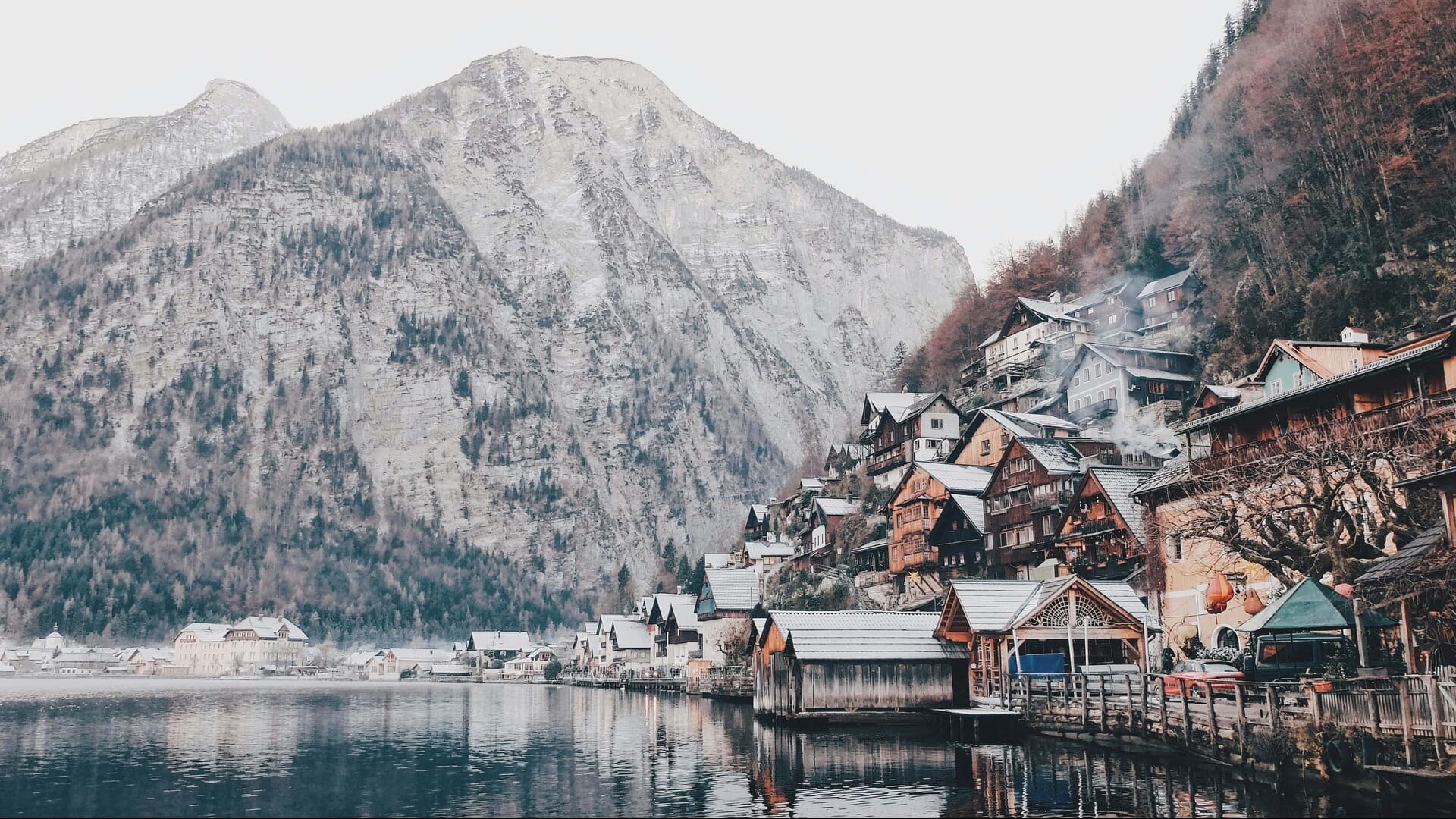
Exploring the Wonders of Austrian Folklore Festivals
Exploring the Wonders of Austrian Folklore Festivals
Austria, a land steeped in rich history and vibrant culture, is renowned for its breathtaking landscapes, majestic mountains, and charming villages. However, what truly sets this Alpine nation apart are its folklore festivals, which offer a deep dive into the traditions, music, dance, and culinary delights that define Austrian heritage.
In this comprehensive guide, we will explore the wonders of Austrian folklore festivals, examining their significance, the experiences they offer, and the unique charm of each celebration.
The Significance of Folklore Festivals in Austria
Austrian folklore festivals are not merely events; they are a celebration of identity, community, and history. These festivals serve as a bridge connecting generations, allowing the older population to pass down traditions to the younger ones. Each festival is a tapestry woven with stories, music, and dance that reflect the region's unique culture and history.
Understanding Austrian Folklore
Austrian folklore encompasses a wide array of traditions, including music, dance, crafts, and culinary practices. It is deeply rooted in the rural lifestyle of the country, where communities have preserved their customs over centuries. Folklore is often expressed through vibrant costumes, traditional instruments, and regional dialects, making each festival a unique experience.
The Most Famous Folklore Festivals in Austria
Austria hosts a plethora of folklore festivals throughout the year, each with its own distinct flavor. Here, we will delve into some of the most famous festivals that showcase the rich tapestry of Austrian culture.
1. The Almabtrieb: A Celebration of Cattle and Community
The Almabtrieb, or cattle drive, is a spectacular event that marks the end of summer when farmers bring their cattle down from the alpine pastures to the valley. This festival is particularly prominent in Tyrol, where the cattle are adorned with colorful flower crowns and bells, creating a picturesque scene against the backdrop of the mountains.
The Experience of Almabtrieb
Visitors to the Almabtrieb can expect a lively atmosphere filled with music, dance, and traditional food. Local bands play folk music, and dancers perform traditional dances, inviting everyone to join in the celebration. The aroma of hearty Tyrolean cuisine fills the air, with dishes like speck platter and apple strudel being served.
2. The Salzburg Festival: A Cultural Extravaganza
While primarily known for its classical music performances, the Salzburg Festival also features elements of Austrian folklore. Held annually in July and August, this festival attracts artists and audiences from around the world, celebrating the rich cultural heritage of Austria.
Folklore at Salzburg Festival
During the festival, visitors can enjoy performances that incorporate traditional Austrian music and dance, alongside operas and theatrical productions. The festival's commitment to showcasing Austrian culture makes it a must-visit for anyone interested in folklore.
3. The Vienna Christmas Markets: A Festive Folklore Experience
As winter blankets Austria in a layer of snow, the Vienna Christmas Markets come alive with festive cheer. These markets are a blend of folklore and holiday spirit, offering visitors a chance to experience traditional Austrian customs during the holiday season.
The Magic of Christmas Markets
Stalls adorned with twinkling lights offer handcrafted gifts, ornaments, and delicious treats like roasted chestnuts and mulled wine. Local choirs perform traditional carols, and the atmosphere is filled with the scent of cinnamon and pine, creating a magical experience for all.
4. The Styrian Wine Harvest Festival: A Toast to Tradition
In the heart of Styria, the Wine Harvest Festival celebrates the region's rich viticultural heritage. This festival typically takes place in late September and early October, coinciding with the grape harvest.
Celebrating Wine and Folklore
Visitors can indulge in wine tastings, traditional Styrian cuisine, and folk music performances. The festival is a vibrant display of local culture, with traditional costumes and dances that reflect the region's agricultural roots.
5. The Krampuslauf: A Unique Folklore Tradition
One of the most intriguing and slightly eerie folklore festivals in Austria is the Krampuslauf, which takes place in early December. This event features individuals dressed as Krampus, a horned figure from Alpine folklore who punishes naughty children during the Christmas season.
The Thrills of Krampuslauf
The Krampuslauf is a lively parade where participants don elaborate costumes and masks, creating a thrilling spectacle. The event is accompanied by traditional music, and the atmosphere is filled with excitement and a hint of fear, making it a unique experience for visitors.
Regional Variations in Folklore Festivals
Austria's diverse regions each have their own unique folklore festivals, reflecting local customs and traditions. Let's explore some of these regional variations.
6. Tyrolean Festivals: A Mountainous Celebration
Tyrol is known for its stunning landscapes and rich folklore traditions. The region hosts numerous festivals throughout the year, celebrating everything from cattle drives to harvests.
Highlights of Tyrolean Festivals
The Tyrolean Festival in Innsbruck is a highlight, featuring traditional music, dance, and crafts. Visitors can enjoy performances by local folk groups and sample regional delicacies, immersing themselves in the Tyrolean way of life.
7. Upper Austria’s Harvest Festivals
In Upper Austria, the harvest season is celebrated with vibrant festivals that showcase the region's agricultural bounty. These festivals often feature parades, traditional music, and local food stalls.
The Joy of Harvest Festivals
The Harvest Festival in Linz is particularly popular, drawing visitors from near and far. The event includes a colorful parade, live music, and opportunities to taste local wines and cheeses, creating a festive atmosphere.
8. The Burgenland Wine Festival: A Celebration of Grapes and Culture
Burgenland, known for its vineyards and wine production, hosts a variety of wine festivals throughout the year. The Burgenland Wine Festival is a highlight, celebrating the region's viticultural heritage.
Wine and Folklore in Burgenland
At this festival, visitors can participate in wine tastings, enjoy traditional folk music, and learn about the winemaking process. The event showcases the region's rich cultural traditions, making it a must-visit for wine enthusiasts.
9. The Carinthian Carnival: A Colorful Folklore Extravaganza
Carinthia is home to a vibrant carnival season, with festivals that feature elaborate costumes, music, and dance. The Carinthian Carnival is a lively celebration that attracts visitors from across the country.
The Festivities of Carinthian Carnival
During the carnival, participants don colorful costumes and masks, parading through the streets while traditional music fills the air. The event is a joyous celebration of local culture, with plenty of food and drink to enjoy.
10. The Vorarlberg Folk Festival: A Cultural Showcase
Vorarlberg, Austria's westernmost province, hosts a folk festival that highlights the region's unique traditions. The Vorarlberg Folk Festival features music, dance, and crafts that reflect the local culture.
Discovering Vorarlberg's Heritage
Visitors to the festival can enjoy performances by local folk groups, participate in traditional dances, and sample regional delicacies. The festival is a wonderful opportunity to immerse oneself in Vorarlberg's rich cultural heritage.
Culinary Delights at Austrian Folklore Festivals
One of the most delightful aspects of attending Austrian folklore festivals is the opportunity to indulge in traditional cuisine. Each region boasts its own specialties, often prepared using age-old recipes passed down through generations.
Traditional Dishes to Try
- Schnitzel: A breaded and fried meat cutlet, often served with potato salad or lingonberry sauce.
- Kaiserschmarrn: A fluffy shredded pancake, typically served with fruit compote.
- Apfelstrudel: A delicious apple pastry, often enjoyed warm with a dusting of powdered sugar.
- Speckplatte: A platter of cured meats, cheeses, and pickles, perfect for sharing.
The Role of Food in Folklore Festivals
Food plays a central role in folklore festivals, serving as a way to bring people together and celebrate local traditions. Many festivals feature food stalls where visitors can sample regional delicacies, learn about traditional cooking methods, and even participate in cooking workshops.
The Music and Dance of Austrian Folklore Festivals
Music and dance are integral components of Austrian folklore festivals, providing a lively backdrop to the celebrations. Traditional Austrian music often features instruments such as the accordion, zither, and alpine horns, creating a unique sound that is instantly recognizable.
Traditional Austrian Instruments
- Accordion: A staple of folk music, the accordion adds a lively rhythm to dances and celebrations.
- Zither: This string instrument is often played in folk ensembles, providing melodic accompaniment to songs.
- Alpine Horn: A long wooden horn traditionally used by herders, it produces a deep, resonant sound that echoes through the mountains.
Folk Dances to Experience
Visitors to folklore festivals can often participate in traditional dances, which are a joyful expression of community and celebration. Some popular folk dances include:
- Waltz: A graceful dance characterized by its flowing movements and elegant turns.
- Polka: A lively dance with a quick tempo, often performed in pairs.
- Schuhplattler: A traditional Bavarian dance that involves slapping the thighs and shoes, often accompanied by lively music.
The Role of Costumes in Folklore Festivals
Costumes are a vital aspect of Austrian folklore festivals, reflecting the region's cultural heritage and traditions. Each region has its own distinctive attire, often made from high-quality materials and adorned with intricate embroidery.
Traditional Austrian Attire
- Dirndl: A traditional dress worn by women, consisting of a bodice, blouse, and full skirt, often paired with an apron.
- Lederhosen: Leather shorts worn by men, typically accompanied by a checkered shirt and suspenders.
- Trachten: Traditional costumes that vary by region, often featuring unique patterns and colors.
The Importance of Costumes in Festivals
Wearing traditional costumes during folklore festivals is a way for participants to honor their heritage and showcase their regional identity. Many festivals encourage attendees to dress in traditional attire, creating a vibrant and colorful atmosphere.
Planning Your Trip to Austrian Folklore Festivals
If you're eager to experience the magic of Austrian folklore festivals, careful planning is essential. Here are some tips to help you make the most of your trip.
Best Times to Visit
Austrian folklore festivals take place throughout the year, with peak seasons in summer and winter. Research the specific festivals you wish to attend and plan your trip accordingly.
Where to Stay
Consider booking accommodations in the region where the festival is held. Many towns and villages offer charming guesthouses and hotels that provide a taste of local hospitality.
Transportation Tips
Austria has an efficient public transportation system, making it easy to travel between cities and regions. Consider purchasing a rail pass for convenient access to different festivals across the country.
Embracing the Local Culture
When attending folklore festivals, take the time to engage with locals, learn about their traditions, and participate in activities. This will enrich your experience and provide a deeper understanding of Austrian culture.
Conclusion: The Enchantment of Austrian Folklore Festivals
Austrian folklore festivals are a celebration of culture, community, and tradition. From the lively music and dance to the delicious cuisine and vibrant costumes, these festivals offer a unique glimpse into the heart of Austria. Whether you're a seasoned traveler or a first-time visitor, exploring the wonders of Austrian folklore festivals is an unforgettable experience that will leave you with cherished memories and a deeper appreciation for this enchanting country.