
A Comprehensive Guide to Argentina’s National Parks: Nature’s Untamed Beauty
A Comprehensive Guide to Argentina’s National Parks: Nature’s Untamed Beauty
Argentina, a land of diverse landscapes and rich biodiversity, is home to some of the most stunning national parks in the world. From the towering peaks of the Andes to the lush rainforests of Misiones, Argentina's national parks offer a plethora of outdoor adventures, breathtaking scenery, and unique wildlife experiences.
This guide will take you on a journey through Argentina's national parks, highlighting the best parks to visit, activities to enjoy, and tips for making the most of your trip.
1. Introduction to Argentina's National Parks
Argentina boasts over 40 national parks, each showcasing the country's incredible natural beauty and ecological diversity. Established to protect the unique flora and fauna, these parks are a haven for nature lovers, hikers, and wildlife enthusiasts. Whether you’re seeking the thrill of hiking through rugged terrain or the tranquility of observing wildlife in their natural habitat, Argentina's national parks have something for everyone.
1.1 The Importance of National Parks in Argentina
National parks play a crucial role in conserving biodiversity and protecting ecosystems. They provide a sanctuary for endangered species and serve as a vital resource for scientific research. Moreover, these parks promote eco-tourism, which helps sustain local economies while fostering a deeper appreciation for nature among visitors.
2. Top National Parks to Visit in Argentina
In this section, we will explore some of the most iconic national parks in Argentina, each offering unique landscapes and experiences.
2.1 Los Glaciares National Park: A Glacial Wonderland
Location: Santa Cruz Province
Established: 1981
Area: 13,000 square kilometers
Los Glaciares National Park is a UNESCO World Heritage site renowned for its stunning glaciers, including the famous Perito Moreno Glacier. This park is a paradise for hikers and photographers, with dramatic landscapes featuring towering mountains, turquoise lakes, and vast ice fields.
2.1.1 Activities in Los Glaciares National Park
- Hiking: The park offers numerous trails, ranging from easy walks to challenging treks. The Laguna de los Tres trail provides breathtaking views of Mount Fitz Roy.
- Glacier Tours: Take a boat tour to get up close to the Perito Moreno Glacier, or opt for a guided ice trek on the glacier itself.
- Wildlife Watching: Keep an eye out for local wildlife, including guanacos, Andean condors, and the elusive Patagonian fox.
2.2 Iguazú National Park: The Power of Water
Location: Misiones Province
Established: 1934
Area: 67,620 hectares
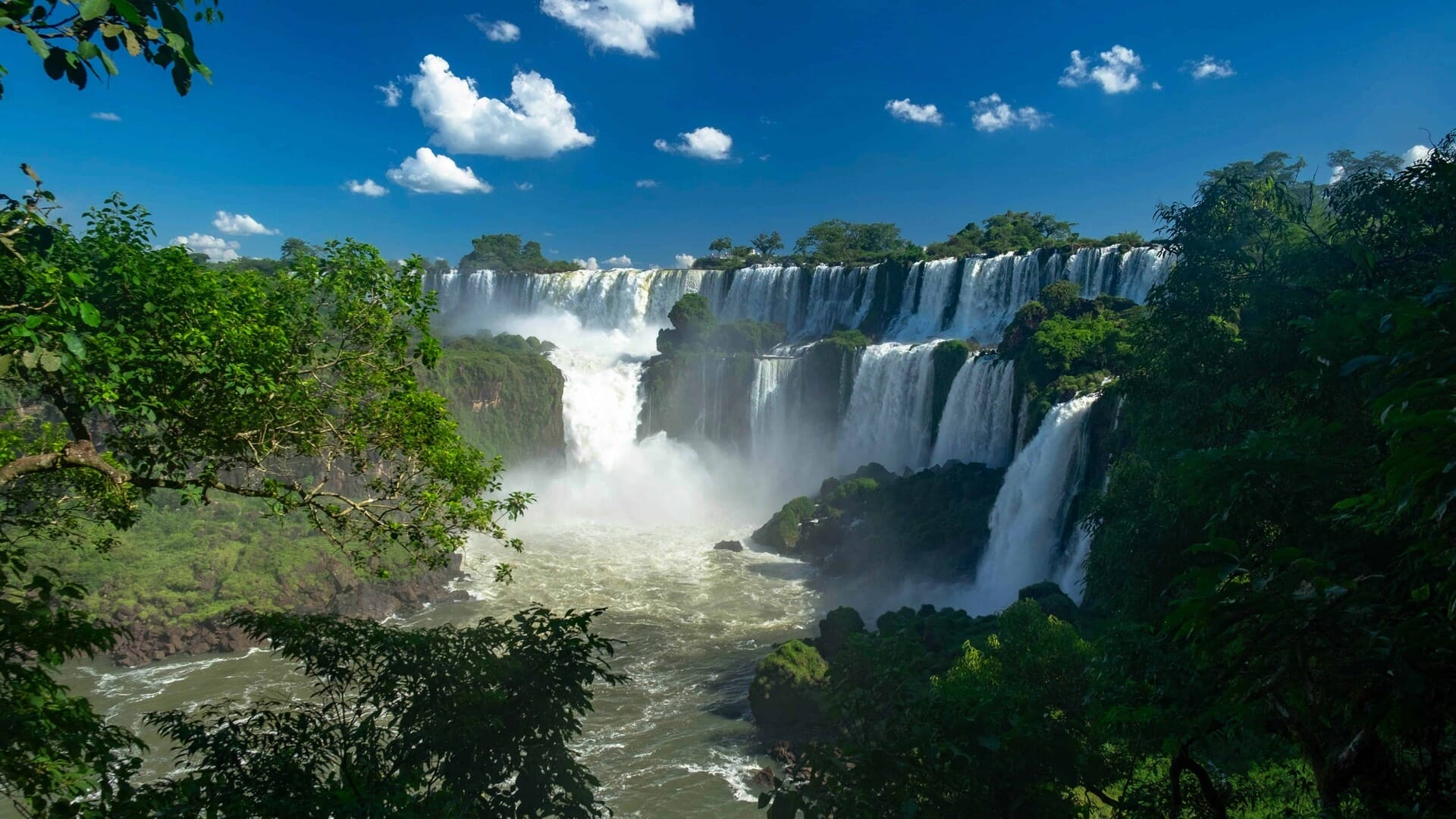
Home to the magnificent Iguazú Falls, one of the largest and most impressive waterfall systems in the world, Iguazú National Park is a must-visit destination. The park features lush subtropical rainforest, diverse wildlife, and numerous walking trails.
2.2.1 Activities in Iguazú National Park
- Waterfall Tours: Explore the various viewpoints of Iguazú Falls, including the iconic Garganta del Diablo (Devil's Throat).
- Wildlife Spotting: The park is home to a variety of species, including toucans, coatis, and jaguars.
- Boat Rides: Experience the thrill of getting close to the falls on a boat tour.
2.3 Nahuel Huapi National Park: A Lakeside Retreat
Location: Neuquén and Río Negro Provinces
Established: 1934
Area: 7,000 square kilometers
Nahuel Huapi National Park is Argentina's oldest national park, characterized by its stunning lakes, forests, and mountains. The park is a popular destination for outdoor activities year-round, including skiing, hiking, and fishing.
2.3.1 Activities in Nahuel Huapi National Park
- Hiking: Trails like the Cerro Campanario offer panoramic views of the surrounding lakes and mountains.
- Skiing: In winter, the nearby Cerro Catedral ski resort attracts snow enthusiasts from around the world.
- Water Sports: Enjoy kayaking, sailing, or fishing in the crystal-clear waters of Lake Nahuel Huapi.
2.4 Tierra del Fuego National Park: The End of the World
Location: Tierra del Fuego Province
Established: 1960
Area: 63,000 hectares
Tierra del Fuego National Park is located at the southernmost tip of Argentina, offering a unique blend of landscapes, including mountains, forests, and coastal areas. The park is known for its rugged beauty and diverse wildlife.
2.4.1 Activities in Tierra del Fuego National Park
- Hiking: The W Trek is a popular multi-day hike that showcases the park's stunning scenery.
- Wildlife Watching: Look for species such as the red fox, guanaco, and various bird species.
- End of the World Train: Take a scenic train ride through the park, offering a unique perspective of the landscape.
2.5 Quebrada del Condorito National Park: A Birdwatcher's Paradise
Location: Córdoba Province
Established: 1996
Area: 38,000 hectares
Quebrada del Condorito National Park is famous for its dramatic canyons and the majestic Andean condor, one of the largest flying birds in the world. The park offers stunning views and excellent hiking opportunities.
2.5.1 Activities in Quebrada del Condorito National Park
- Hiking: The Condorito Trail leads to a viewpoint overlooking the Quebrada del Condorito, where you can spot condors soaring above.
- Photography: Capture the breathtaking landscapes and unique wildlife.
- Cultural Experiences: Learn about the indigenous cultures and their connection to the land.
3. Planning Your Visit to Argentina’s National Parks
When planning your trip to Argentina's national parks, consider the following tips to ensure a smooth and enjoyable experience.
3.1 Best Time to Visit
The best time to visit Argentina's national parks varies by region:
- Patagonia (Los Glaciares, Torres del Paine): Late spring to early fall (November to March) for mild weather and accessible trails.
- Iguazú National Park: Year-round, but the wet season (November to March) offers the most impressive waterfall flow.
- Tierra del Fuego: Summer months (December to February) provide the best weather for outdoor activities.
3.2 What to Pack
Packing for a trip to Argentina's national parks requires careful consideration of the diverse climates and activities:
- Clothing: Layered clothing for varying temperatures, waterproof jacket, and sturdy hiking boots.
- Gear: Binoculars for wildlife watching, a camera for capturing stunning landscapes, and a reusable water bottle.
- Safety Items: Sunscreen, insect repellent, and a first aid kit.
3.3 Getting Around
Argentina is a vast country, and getting around can be challenging. Here are some options:
- Car Rentals: Renting a car offers flexibility to explore remote areas and national parks.
- Public Transport: Buses connect major cities and some national parks, but schedules may be limited.
- Guided Tours: Consider joining guided tours for a hassle-free experience, especially in remote areas.
4. Wildlife in Argentina’s National Parks
Argentina's national parks are home to an incredible array of wildlife, making them a paradise for nature enthusiasts. Here are some notable species you might encounter:
4.1 Iconic Species
- Andean Condor: One of the largest flying birds in the world, often seen soaring above the Andes.
- Guanaco: A wild relative of the llama, commonly found in Patagonia.
- Jaguar: The elusive big cat can be spotted in the jungles of Misiones.
4.2 Conservation Efforts
Many national parks in Argentina are involved in conservation efforts to protect endangered species and their habitats. These initiatives often include:
- Habitat Restoration: Programs aimed at restoring native vegetation and ecosystems.
- Wildlife Monitoring: Research and tracking of endangered species to understand their populations and behaviors.
- Community Engagement: Involving local communities in conservation efforts and eco-tourism initiatives.
5. Cultural Experiences in Argentina’s National Parks
Argentina's national parks are not only about natural beauty; they also offer rich cultural experiences that connect visitors to the history and traditions of the land.
5.1 Indigenous Cultures
Many national parks are located on lands traditionally inhabited by indigenous peoples. Engaging with these communities can provide valuable insights into their customs, beliefs, and relationship with nature.
5.2 Local Cuisine
Exploring the local cuisine is an essential part of any visit to Argentina. Many national parks are near towns where you can sample traditional dishes such as:
- Asado: A traditional Argentine barbecue featuring various meats.
- Empanadas: Savory pastries filled with meat, cheese, or vegetables.
- Mate: A traditional herbal tea often shared among friends.
6. Adventure Activities in Argentina’s National Parks
For thrill-seekers, Argentina's national parks offer a wide range of adventure activities that cater to all levels of experience.
6.1 Hiking and Trekking
With diverse landscapes and trails, hiking is one of the best ways to explore Argentina's national parks. Popular hiking routes include:
- Laguna de los Tres: A challenging hike in Los Glaciares National Park with stunning views of Mount Fitz Roy.
- W Trek: A multi-day trek in Torres del Paine National Park, offering breathtaking scenery.
- Sendero al Glaciar: A trail leading to the Perito Moreno Glacier, suitable for all skill levels.
6.2 Water Sports
Many national parks feature lakes and rivers that are perfect for water sports:
- Kayaking: Paddle through the serene waters of Lake Nahuel Huapi or the rivers of Iguazú National Park.
- Fishing: Enjoy fly fishing in the pristine waters of Patagonia.
- Rafting: Experience the thrill of white-water rafting in the rivers of northern Argentina.
6.3 Winter Sports
In winter, several national parks transform into winter wonderlands, offering activities such as:
- Skiing and Snowboarding: Cerro Catedral in Nahuel Huapi National Park is a popular destination for winter sports.
- Snowshoeing: Explore the snowy landscapes on snowshoes in Tierra del Fuego National Park.
- Ice Climbing: For the adventurous, ice climbing on glaciers in Los Glaciares National Park is an unforgettable experience.
7. Eco-Tourism in Argentina’s National Parks
Eco-tourism is a growing trend in Argentina, promoting sustainable travel practices that benefit both the environment and local communities. Here’s how you can engage in eco-tourism during your visit:
7.1 Choosing Eco-Friendly Accommodations
Look for eco-lodges and accommodations that prioritize sustainability, such as:
- Solar-Powered Lodges: Many lodges in remote areas utilize solar energy to minimize their environmental impact.
- Community-Based Tourism: Stay in accommodations run by local communities, ensuring that your visit supports the local economy.
7.2 Responsible Wildlife Watching
When observing wildlife, follow these guidelines to minimize your impact:
- Keep a Safe Distance: Use binoculars or a zoom lens to observe animals without disturbing them.
- Stay on Designated Trails: Protect habitats by sticking to marked paths and trails.
- Leave No Trace: Follow the principles of Leave No Trace to minimize your impact on the environment.
8. Conclusion: Embrace the Beauty of Argentina’s National Parks
Argentina's national parks offer a unique opportunity to connect with nature, explore diverse landscapes, and experience the rich cultural heritage of the country. Whether you’re hiking through the rugged mountains of Patagonia, marveling at the power of Iguazú Falls, or observing wildlife in their natural habitats, the beauty of Argentina’s national parks will leave you in awe.
As you plan your adventure, remember to respect the environment, support local communities, and embrace the spirit of exploration. Argentina's national parks are waiting to be discovered, offering unforgettable experiences and memories that will last a lifetime.
9. Additional Resources for Your Journey
To help you further in planning your trip, here are some additional resources:
- Official National Parks Website: Argentina National Parks
- Travel Blogs: Explore travel blogs for personal experiences and tips from fellow travelers.
- Guided Tours: Consider booking guided tours for a more in-depth experience of the parks.
10. Final Thoughts
Argentina's national parks are a treasure trove of natural wonders, adventure, and cultural experiences. With careful planning and a spirit of adventure, you can create memories that will last a lifetime. So pack your bags, lace up your hiking boots, and get ready to explore the breathtaking beauty of Argentina’s national parks!