
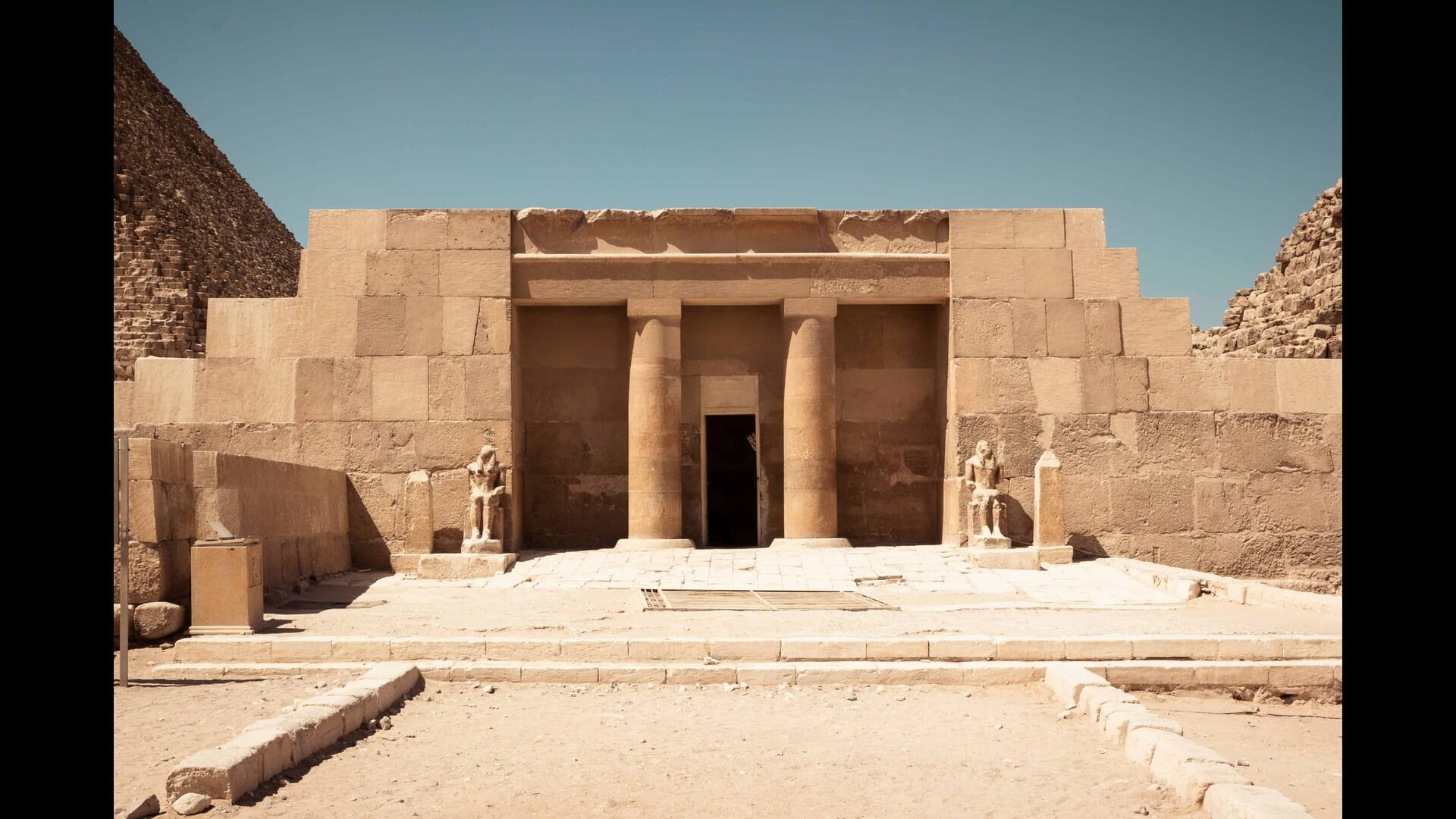
Exploring the Fascinating History of Ancient Egyptian Medicine
Exploring the Fascinating History of Ancient Egyptian Medicine
Ancient Egyptian medicine is a captivating subject that intertwines the realms of science, spirituality, and culture. With a history that spans thousands of years, it offers a unique glimpse into how one of the world’s earliest civilizations approached health, illness, and healing.
This article will take you on a journey through the intricate tapestry of ancient Egyptian medicine, exploring its practices, beliefs, and the remarkable contributions it made to modern healthcare.
The Origins of Ancient Egyptian Medicine
The roots of ancient Egyptian medicine can be traced back to around 3000 BCE, during the early dynastic period. The Egyptians believed that health was a balance between the physical body and the spiritual realm. They viewed illness as a disruption of this balance, often attributed to supernatural forces or displeasure from the gods. This belief system laid the foundation for their medical practices, which were deeply intertwined with religion and magic.
The Role of Religion in Healing Practices
Religion played a crucial role in ancient Egyptian medicine. The Egyptians worshipped a pantheon of gods, many of whom were associated with health and healing. For instance, Imhotep, the god of medicine, was revered as a healer and a wise man. Temples dedicated to healing were established, where priests acted as both spiritual leaders and medical practitioners. They performed rituals, offered prayers, and used amulets to protect patients from malevolent spirits.
The Influence of Papyrus Scrolls on Medical Knowledge
One of the most significant contributions to the understanding of ancient Egyptian medicine is the collection of medical texts found on papyrus scrolls. The Ebers Papyrus, dating back to around 1550 BCE, is one of the oldest and most comprehensive medical documents known. It contains over 700 remedies and treatments for various ailments, showcasing the Egyptians' extensive knowledge of herbal medicine and surgical techniques.
Ancient Egyptian Medical Practices and Techniques
The medical practices of ancient Egypt were diverse and sophisticated. They combined empirical observation with spiritual beliefs, resulting in a unique approach to healing. This section delves into the various techniques employed by ancient Egyptian physicians.
Herbal Remedies and Natural Treatments
Herbal medicine was a cornerstone of ancient Egyptian healthcare. The Egyptians utilized a wide range of plants and herbs for their healing properties. Commonly used herbs included:
- Garlic: Believed to boost strength and immunity.
- Coriander: Used for digestive issues.
- Willow: Known for its pain-relieving properties.
- Pomegranate: Employed to treat various ailments, including digestive disorders.
These remedies were often combined with other treatments, such as honey and animal fats, to enhance their effectiveness. The Egyptians meticulously documented these herbal remedies, passing down their knowledge through generations.
Surgical Techniques and Instruments
Ancient Egyptian physicians were skilled in various surgical techniques, including trepanation (the practice of drilling holes in the skull). They used a range of surgical instruments made from bronze, copper, and stone. Some of these instruments included:
- Scalpels: For incisions.
- Forceps: For grasping tissues.
- Surgical needles: For suturing wounds.
The Egyptians also performed procedures such as setting broken bones and treating wounds, showcasing their advanced understanding of anatomy and physiology.
Diagnosis and Prognosis in Ancient Egypt
Diagnosis in ancient Egypt was a complex process that involved careful observation of symptoms and the patient’s overall condition. Physicians would often rely on their intuition and experience, combined with knowledge from medical texts. They categorized diseases based on their symptoms and devised treatment plans accordingly.
The Role of the Ancient Egyptian Physician
Physicians in ancient Egypt held a respected position in society. They were often well-educated, having studied in temples or under experienced practitioners. Some notable physicians, like Imhotep, were even deified after their deaths, highlighting the esteem in which they were held.
The Intersection of Magic and Medicine
Magic was an integral part of ancient Egyptian medicine. The Egyptians believed that many illnesses were caused by supernatural forces, and thus, healing required a combination of medical treatment and magical intervention. This section explores the fascinating intersection of magic and medicine in ancient Egypt.
Amulets and Charms for Protection
Amulets and charms were commonly used to protect individuals from illness and misfortune. These objects were often inscribed with prayers or spells and were believed to possess protective powers. Common amulets included:
- The Eye of Horus: Symbolizing protection and healing.
- Scarabs: Representing rebirth and protection.
- Ankh: Symbolizing life and health.
Patients would wear these amulets during treatment to enhance their chances of recovery.
Incantations and Rituals in Healing
Healing rituals often involved the recitation of incantations and prayers. Physicians would invoke the names of gods and goddesses, seeking their assistance in curing ailments. These rituals were performed in conjunction with physical treatments, emphasizing the holistic approach of ancient Egyptian medicine.
Ancient Egyptian Anatomy and Physiology
The ancient Egyptians had a remarkable understanding of human anatomy and physiology, which they gained through practices such as embalming. This section examines their knowledge of the human body and its functions.
Embalming Practices and Anatomical Knowledge
Embalming was a crucial practice in ancient Egypt, aimed at preserving the body for the afterlife. This process involved the removal of internal organs, which were then treated and stored in canopic jars. The Egyptians’ meticulous approach to embalming provided them with valuable insights into human anatomy, allowing them to understand the functions of various organs.
The Heart as the Center of Emotion and Intelligence
In ancient Egyptian belief, the heart was considered the center of intelligence, emotion, and memory. During the mummification process, the heart was often left in place or returned to the body after being weighed against the feather of Ma'at (the goddess of truth and justice) in the afterlife. This belief underscores the Egyptians’ understanding of the heart’s significance in both physical and spiritual contexts.
The Legacy of Ancient Egyptian Medicine
The contributions of ancient Egyptian medicine have had a lasting impact on the development of medical practices throughout history. This section explores the legacy of their medical knowledge and its influence on later civilizations.
Influence on Greek and Roman Medicine
Ancient Egyptian medicine significantly influenced Greek and Roman medical practices. Greek physicians, such as Hippocrates, were known to have studied Egyptian medical texts and incorporated their knowledge into their own practices. The Greeks admired the Egyptians for their advanced surgical techniques and herbal remedies, which laid the groundwork for the development of Western medicine.
Preservation of Medical Knowledge through the Ages
Many ancient Egyptian medical texts were preserved and translated throughout the centuries, ensuring that their knowledge was not lost. The Ebers Papyrus and the Edwin Smith Papyrus, among others, became essential references for later medical scholars. This preservation of knowledge allowed for the continued evolution of medical practices, ultimately shaping modern healthcare.
Conclusion: The Enduring Fascination with Ancient Egyptian Medicine
The history of ancient Egyptian medicine is a testament to the ingenuity and resourcefulness of one of the world’s earliest civilizations. Their holistic approach to health, combining empirical observation with spiritual beliefs, laid the foundation for many medical practices we recognize today. As we continue to explore the fascinating world of ancient Egyptian medicine, we uncover not only their remarkable contributions to healthcare but also the enduring legacy of a civilization that has captivated the imagination of people for millennia.
Further Reading and Resources
For those interested in delving deeper into the fascinating world of ancient Egyptian medicine, consider exploring the following resources:
- The Ebers Papyrus: A comprehensive medical text that provides insight into ancient Egyptian healing practices.
- The Edwin Smith Papyrus: A surgical treatise that highlights the Egyptians’ understanding of anatomy and surgical techniques.
- Books on Ancient Egyptian Medicine: Look for titles that explore the intersection of medicine, magic, and religion in ancient Egypt.
Final Thoughts
As we reflect on the rich history of ancient Egyptian medicine, we are reminded of the importance of understanding our past to appreciate the advancements in modern healthcare. The Egyptians’ innovative spirit and dedication to healing continue to inspire us today, making their medical practices a fascinating subject worthy of exploration.